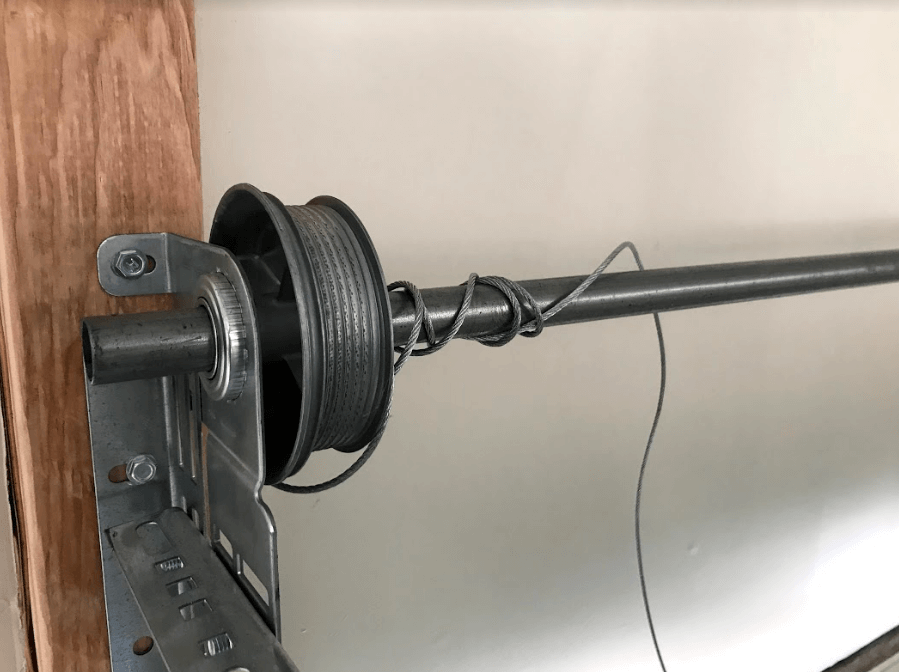
Understanding the garage door cable lifespan is essential for any homeowner who wants to keep their garage door operating safely and efficiently. These cables are a critical component, bearing the weight of the door and ensuring smooth movement. Over time, wear and tear can compromise their integrity, leading to potential safety hazards and unexpected breakdowns. Knowing how long these cables typically last, what affects their durability, and when to replace them can help you avoid costly repairs and maintain a secure home environment.
In this article, we’ll break down the typical longevity of garage door cables, the main factors that influence their service life, and the warning signs that it’s time for a replacement. For those interested in troubleshooting or preventing issues, you’ll also find helpful resources and actionable tips. If you want to dive deeper into specific issues, the guide on garage door cable common problems offers practical solutions for frequent concerns.
Typical Service Life of Garage Door Cables
The average garage door cable lifespan ranges from 7 to 15 years, depending on usage and maintenance. Most residential garage doors are cycled (opened and closed) about 3–5 times per day. Under normal conditions, cables can last for roughly 10,000 cycles, which translates to about a decade of typical use. However, several factors can shorten or extend this period.
It’s important to note that cables supporting heavier or oversized doors, or those exposed to harsh weather, may experience accelerated wear. Regular inspection and prompt replacement of worn cables are crucial for avoiding sudden failures that could leave your garage door inoperable or even cause injury.
Key Factors That Influence Cable Durability
Several elements affect how long your garage door cables will last. By understanding these, you can take steps to maximize their lifespan and reduce the risk of premature failure.
- Material Quality: Most cables are made from galvanized steel, which resists rust and corrosion. Higher-grade materials generally offer a longer service life.
- Frequency of Use: The more often you open and close your garage door, the faster the cables will wear out. Commercial doors or homes with multiple daily cycles may need more frequent replacements.
- Environmental Exposure: Humidity, salt, and temperature extremes can cause cables to deteriorate faster. Garages in coastal or high-moisture regions should be checked more often.
- Maintenance Practices: Regularly lubricating moving parts and inspecting for fraying or rust can help catch problems early and extend the cable’s usable life.
- Alignment and Balance: A misaligned or unbalanced door puts extra strain on cables, causing uneven wear and increasing the risk of snapping.
For more detailed information on maximizing cable performance, see the garage door cable efficiency guide, which covers smooth operation and maintenance tips.
Warning Signs That Your Cables Need Replacement
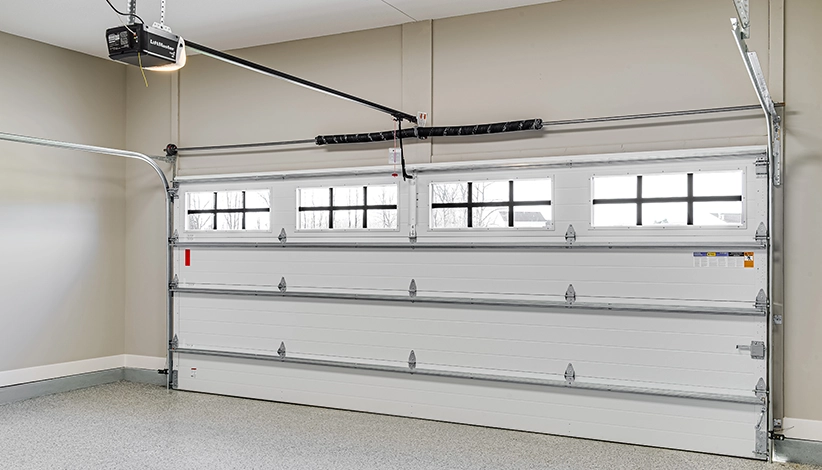
Recognizing early symptoms of cable wear can prevent sudden failures and potential safety risks. Here are some clear indicators that your cables may be nearing the end of their service life:
- Visible Fraying: Strands of the cable appear broken or separated.
- Rust or Corrosion: Discoloration, pitting, or rough spots on the cable surface.
- Slack or Looseness: The cable appears loose or sags when the door is open.
- Unusual Noises: Grinding, squeaking, or snapping sounds during operation.
- Door Movement Issues: The door jerks, hesitates, or becomes uneven as it moves.
If you notice any of these signs, it’s best to stop using the door and arrange for a professional inspection. Attempting to operate a door with a compromised cable can be dangerous.
For a comprehensive checklist on what to look for during cable inspections, consult the garage door cable replacement checklist.
How to Extend the Life of Your Garage Door Cables
While all cables eventually wear out, there are steps you can take to help them last as long as possible:
- Perform regular visual inspections for fraying, rust, or misalignment.
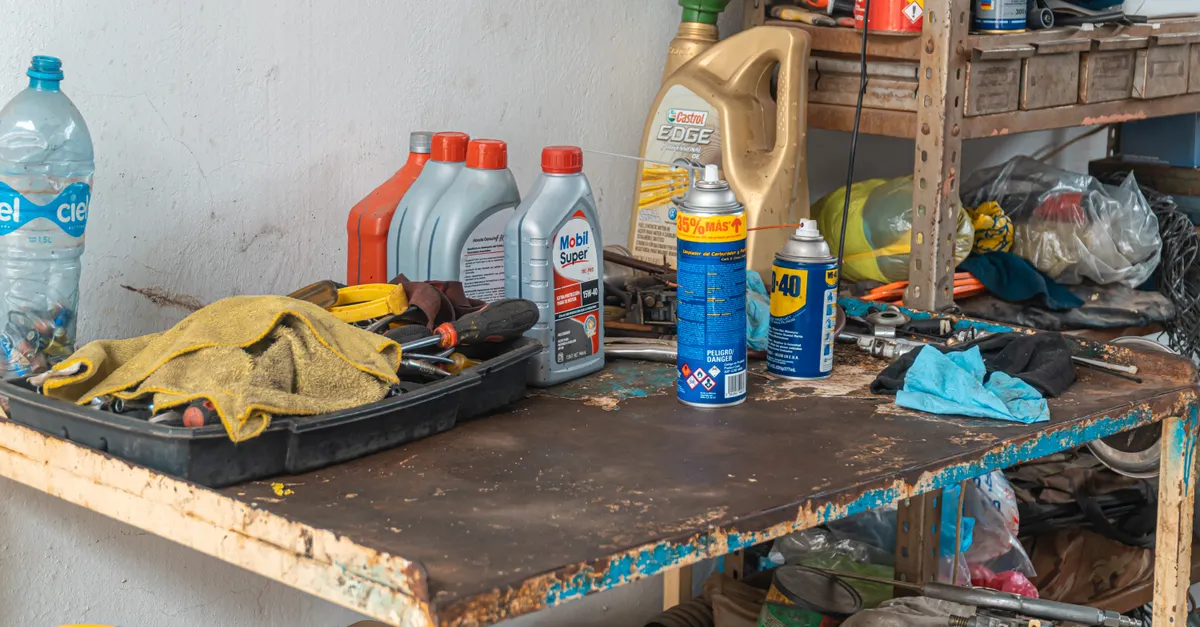
- Lubricate moving parts with a silicone-based spray every few months.
- Keep the garage dry and well-ventilated to minimize moisture exposure.
- Address any door balance or alignment issues promptly.
- Schedule annual professional maintenance for a thorough safety check.
Following these practices not only extends the cable’s service life but also improves the overall reliability and safety of your garage door system.
Professional vs. DIY Cable Replacement
Replacing garage door cables is a task that requires specific tools and safety precautions. While some experienced DIYers may attempt it, most manufacturers and professionals recommend hiring a trained technician. The tension in the springs and cables can cause serious injury if mishandled.
If you’re considering a do-it-yourself approach, make sure to consult a garage door cable professional guide for technical tips and safety specifications. For most homeowners, professional service is the safest and most reliable option.
Further Reading and Resources
For a deeper understanding of how garage door cables work and what can go wrong, the article explaining the ins and outs of garage door cables provides a thorough overview. You’ll find details on cable types, maintenance, and troubleshooting that can help you make informed decisions about your garage door system.
To prevent breakdowns before they happen, review these garage door cable prevention tips for actionable advice on keeping your cables in top condition.
Frequently Asked Questions
How often should garage door cables be inspected?
It’s recommended to visually inspect your garage door cables at least twice a year. Look for signs of fraying, rust, or slackness. If your door is used more frequently or exposed to harsh conditions, more frequent checks are advisable.
Can I replace garage door cables myself?
While some homeowners with mechanical experience may attempt cable replacement, it’s generally safer to hire a professional. The high tension in the cables and springs can pose serious risks if not handled correctly.
What happens if a garage door cable snaps?
If a cable breaks, the door may become unbalanced, jam, or fall suddenly. This can cause property damage or injury. Stop using the door immediately and contact a qualified technician for repairs.
Do all garage doors use the same type of cable?
No, cable types and sizes vary depending on the door’s weight, size, and spring system. Always use manufacturer-recommended cables for your specific door model.
What’s the best way to extend the life of my garage door cables?
Regular maintenance, including lubrication, inspection, and prompt repair of any issues, is the best way to maximize cable longevity. Keeping the garage dry and ensuring the door is balanced also helps reduce wear.