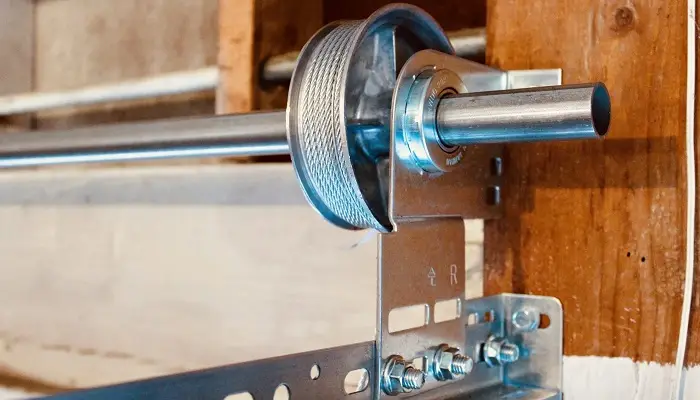
Proper garage door cable lubrication is essential for maintaining the smooth and safe operation of your garage door system. Over time, cables can become dry, collect debris, or even start to corrode, leading to noise, increased wear, and potential safety hazards. By using the right lubricants and applying them correctly, you can extend the lifespan of your cables, reduce the risk of costly repairs, and ensure your garage door functions reliably year-round.
In this article, you’ll find a practical overview of the most effective products and techniques for lubricating garage door cables. We’ll also highlight common mistakes to avoid and answer frequently asked questions. For those interested in more technical details, the garage door cable professional guide offers in-depth insights into cable specs and advanced maintenance tips.
Why Lubricating Garage Door Cables Matters
Garage door cables are responsible for lifting and lowering the door smoothly. Without regular attention, cables can develop friction points that lead to fraying, rust, or even sudden failure. Proper lubrication:
- Reduces friction and wear on cable strands
- Prevents rust and corrosion, especially in humid or coastal environments
- Minimizes noise during operation
- Helps cables move freely through pulleys and drums
Neglecting this simple maintenance task can result in noisy operation, uneven movement, or even snapped cables. For more on preventing rust, see the garage door cable corrosion prevention guide.
Choosing the Right Lubricant for Garage Door Cables
Not all lubricants are suitable for garage door applications. The best products for cable care are those that:
- Penetrate between cable strands to provide lasting protection
- Resist attracting dust and dirt
- Offer water resistance to prevent rust
Here are the most recommended types:
| Lubricant Type | Benefits | Drawbacks |
|---|---|---|
| Silicone Spray | Dries quickly, doesn’t attract dust, water-resistant | May require more frequent application |
| White Lithium Grease | Long-lasting, excellent for metal-to-metal contact | Can attract dirt if over-applied |
| Garage Door-Specific Lubricants | Formulated for cables, pulleys, and springs | May be more expensive than general-purpose sprays |
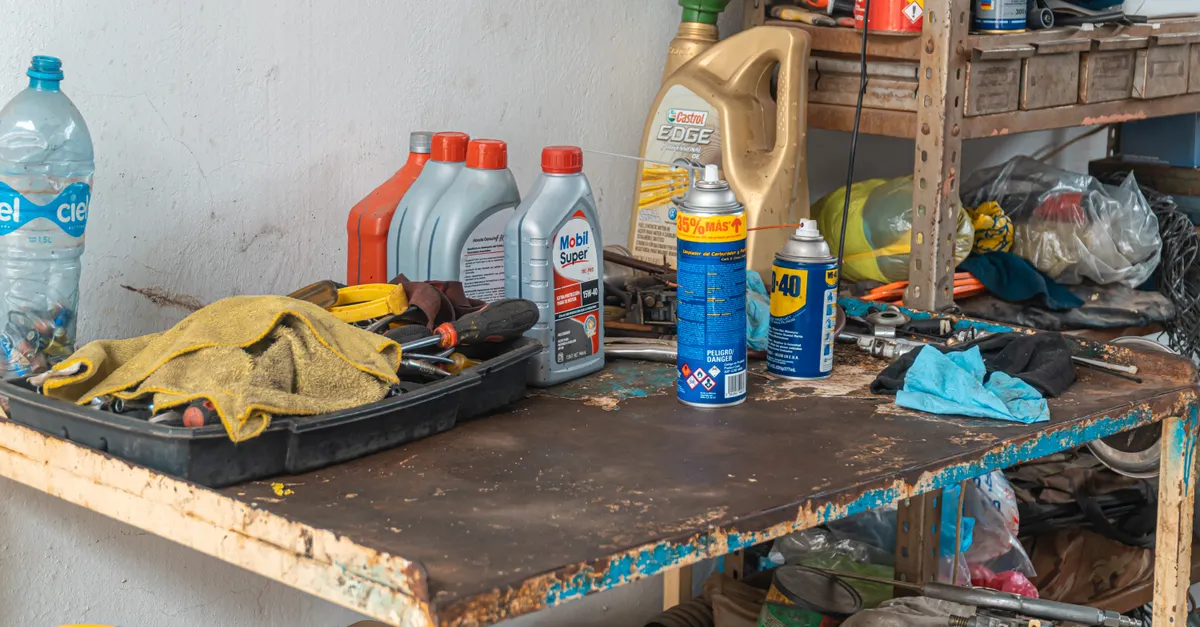
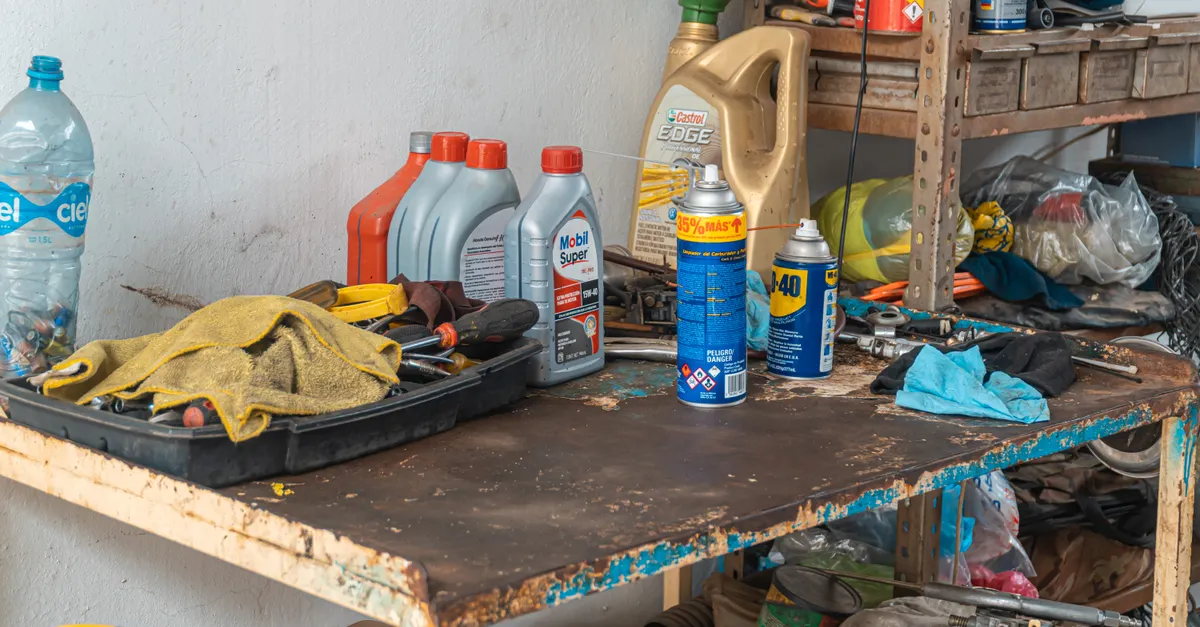
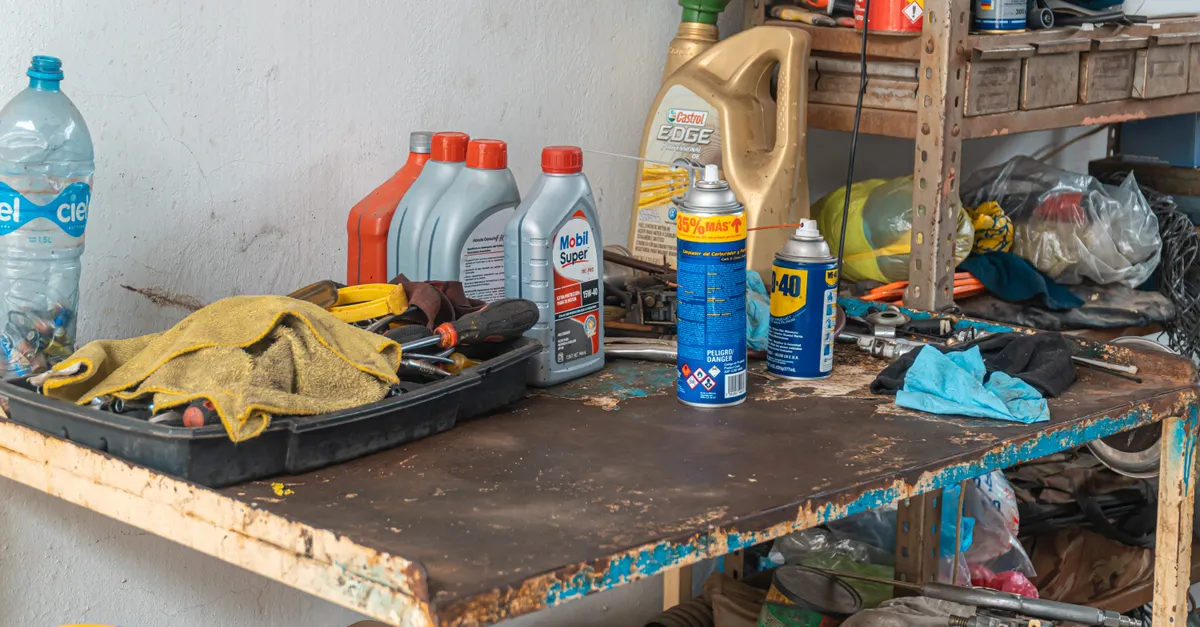
Avoid using standard WD-40 as a lubricant; while it’s a good cleaner and moisture displacer, it doesn’t provide lasting lubrication for cables. Instead, look for products labeled as “garage door lubricant” or “cable lubricant.”
How to Lubricate Garage Door Cables Safely
Before starting, gather your supplies: the right lubricant, gloves, a step ladder, and a rag. Always disconnect the garage door opener and ensure the door is fully closed before working on the cables. Here’s a step-by-step approach:
- Inspect the cables for visible damage, fraying, or rust. Replace any cables that show significant wear.
- Clean the cables with a dry rag to remove dust and debris. For stubborn grime, use a small amount of degreaser and let it dry completely.
- Apply lubricant by spraying or wiping it along the length of the cable, focusing on areas where the cable bends around pulleys or drums. Allow the lubricant to penetrate between the strands.
- Operate the door manually a few times to distribute the lubricant evenly.
- Wipe away excess to prevent drips and accumulation of dirt.
For a more detailed look at seasonal care, the garage door cable seasonal maintenance guide covers winter and summer adjustments.
Common Mistakes to Avoid When Lubricating Cables
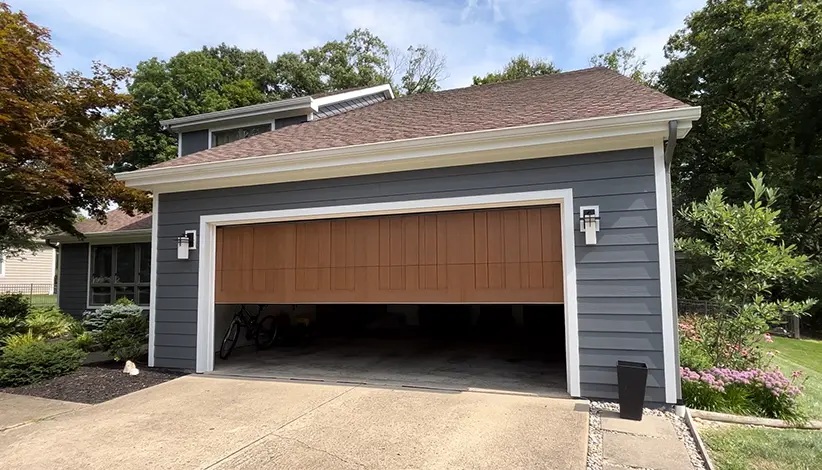
While applying lubricant is straightforward, there are a few pitfalls to watch for:
- Over-lubricating: Applying too much can attract dirt and cause build-up, which may lead to cable slippage or pulleys jamming.
- Using the wrong product: Avoid heavy oils or greases not intended for garage doors, as they can gum up the mechanism.
- Ignoring other components: While focusing on cables, don’t forget to check pulleys, drums, and springs for lubrication needs.
- Skipping regular checks: Lubrication should be part of a routine maintenance schedule, not a one-time fix.
If you notice rust or moisture damage, refer to the garage door cable moisture damage guide for repair and prevention strategies.
How Often Should You Lubricate Garage Door Cables?
For most residential garage doors, lubricating cables every six months is sufficient. However, if you live in a coastal area, experience high humidity, or use your garage door frequently, quarterly maintenance may be necessary. Always inspect cables during seasonal changes and after severe weather events.
Regular lubrication not only keeps your door running smoothly but also helps prevent sudden failures. For winter-specific advice, the garage door cable winter issues guide covers cold-weather challenges and solutions.
When to Call a Professional for Cable Maintenance
While routine lubrication is a DIY-friendly task, some cable issues require professional attention. If you notice frayed strands, visible rust, or cables that have slipped from their drums or pulleys, it’s best to consult an expert. Attempting to repair or replace high-tension cables without proper training can be dangerous.
For step-by-step repair advice, see this comprehensive guide on fixing garage door cables from a trusted industry source.
FAQ: Garage Door Cable Lubrication
What is the best lubricant for garage door cables?
The most effective lubricants are silicone sprays, white lithium grease, or products specifically labeled for garage doors. These options provide lasting protection without attracting excessive dirt.
Can I use WD-40 on my garage door cables?
WD-40 is not recommended as a long-term lubricant for cables. While it can clean and displace moisture, it does not provide the necessary lubrication for ongoing protection. Choose a silicone-based or garage door-specific product instead.
How do I know if my cables need lubrication?
Signs that your cables need attention include squeaking, visible dryness, or a rough, jerky door movement. Regular inspection and maintenance can prevent these issues from escalating.
Is it safe to lubricate garage door cables myself?
Yes, as long as you follow safety precautions: disconnect the opener, ensure the door is closed, and avoid working on cables under tension. If you’re unsure or notice significant damage, contact a professional.
How often should I lubricate my garage door cables?
Most homeowners should lubricate cables every six months, or more often in harsh climates or high-use situations. Mark your calendar for seasonal checks to stay on top of maintenance.
By following these tips and using the right products, you can keep your garage door cables in top shape for years to come. For further reading on advanced care and troubleshooting, explore the garage door cable professional guide and related maintenance resources.