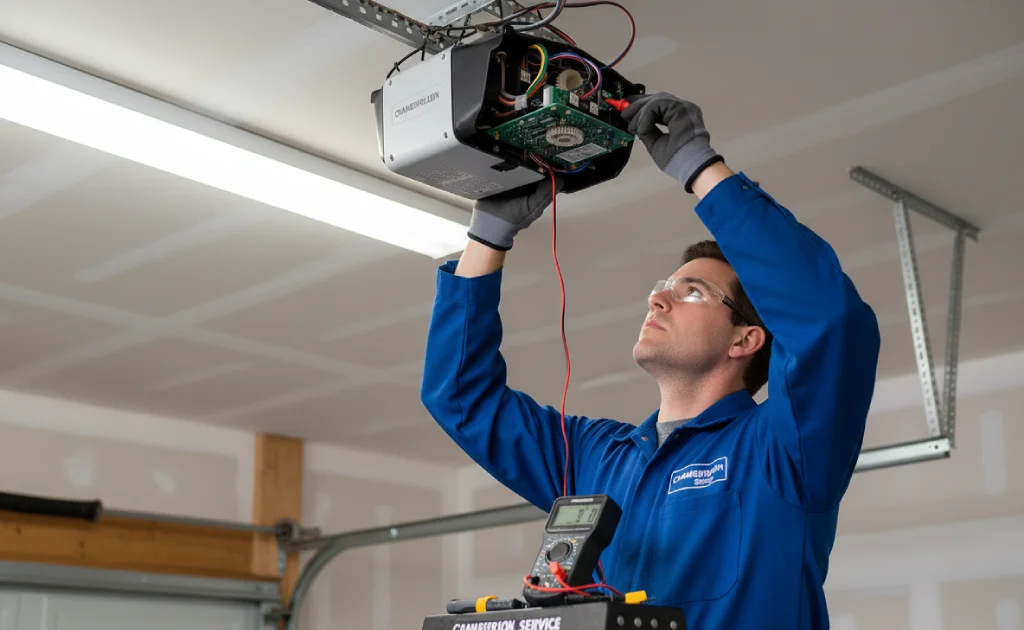
Garage door cables are essential for the safe and smooth operation of your garage door. When these cables wear out, fray, or snap, the door can become heavy, uneven, or even dangerous to use. While some homeowners may be tempted to tackle cable issues themselves, there are situations where garage door cable professional repair is not just recommended—it’s necessary for safety and long-term reliability.
This article explains the signs that indicate you need expert help, the risks of DIY fixes, and what to expect from a professional service. For those interested in learning more about cable maintenance and technical details, the garage door cable professional guide offers in-depth tips and specifications.
Understanding Garage Door Cable Problems
Cables in a garage door system work alongside springs and pulleys to lift and lower the door evenly. Over time, these cables can experience wear from friction, exposure to moisture, or corrosion. Recognizing early warning signs can help you avoid sudden failures and costly repairs.
- Fraying or visible wear: Strands of the cable appear loose or broken.
- Rust or corrosion: Orange or brown discoloration on the cable surface.
- Slack cables: The cable hangs loosely, even when the door is closed.
- Unusual noises: Grinding, squeaking, or snapping sounds during operation.
- Door imbalance: The door appears crooked or struggles to open/close smoothly.
Addressing these issues promptly can prevent further damage to the door and opener. For seasonal care tips, see the garage door cable seasonal maintenance guide.
When Should You Call for Expert Garage Door Cable Repair?
Not all cable issues are created equal. Some minor adjustments or lubrication can be handled by a handy homeowner, but there are clear situations where calling a professional is the safest and most effective choice. Here are the most common scenarios:
Broken or Snapped Cables
If a cable has snapped or is hanging loose, the door may become extremely heavy or stuck in place. Attempting to lift or fix the door yourself can cause injury or further damage. A trained technician has the tools and experience to safely replace cables and rebalance the system.
Severe Rust or Corrosion
When rust has eaten through a significant portion of the cable, replacement is necessary. Professionals can also inspect for underlying issues such as moisture intrusion. For more on preventing rust, the garage door cable corrosion prevention article offers practical advice.
Door Off Track or Crooked
If the door has come off its tracks or is visibly uneven, this often points to cable or spring failure. Realigning a heavy garage door is a complex task best left to those with specialized training and safety equipment.
Repeated Cable Slippage
Cables that frequently slip off the drum or pulley may indicate deeper mechanical problems. A professional can diagnose the root cause and ensure all components are working together as intended.
Why Professional Service Matters
Garage door systems are under high tension, especially the springs and cables. Mishandling these components can result in serious injury. Here’s why professional repair is the best route for most cable issues:
- Safety: Technicians use specialized tools and follow strict safety protocols.
- Correct diagnosis: Pros can identify related issues, such as worn pulleys or misaligned tracks.
- Warranty protection: Many garage door warranties require professional service for repairs.
- Long-term reliability: Proper installation and adjustment extend the life of your door and opener.
For a deeper understanding of cable types and technical specs, you can visit the comprehensive guide to garage door cables.
Risks of DIY Garage Door Cable Repairs
While there are many home improvement tasks suitable for DIY, garage door cable work is not typically one of them. Here’s why:
- High tension: Springs and cables are under extreme force. A sudden release can cause injury.
- Specialized tools: Proper cable replacement requires winding bars, cable pullers, and other equipment.
- Complexity: Modern garage doors have safety sensors, multiple cable types, and precise balance requirements.
- Potential for further damage: Incorrect installation can lead to misalignment, opener strain, or even property damage.
If you notice signs of cable wear, it’s best to consult a local expert rather than risk a dangerous DIY attempt.
What to Expect During a Professional Garage Door Cable Service
When you schedule a service call for cable issues, here’s what typically happens:
- Inspection: The technician examines the cables, springs, pulleys, and tracks for signs of damage or wear.
- Diagnosis: You’ll receive an explanation of the problem and recommended solutions.
- Replacement or repair: Damaged cables are replaced with new, properly rated components. The system is rebalanced and tested.
- Safety check: The technician ensures all safety features are working, including sensors and emergency release mechanisms.
After the repair, regular maintenance is key. For tips on protecting cables from moisture and rust, see the garage door cable moisture damage resource.
Preventative Maintenance and Seasonal Checks
While some repairs require professional intervention, homeowners can help prevent cable issues with routine care:
- Visually inspect cables for fraying, rust, or slack every few months.
- Keep the area around the door clean and free of debris.
- Lubricate moving parts with a silicone-based garage door lubricant (avoid oil-based products on cables).
- Schedule annual professional inspections, especially before winter or after severe weather.
For more on handling cold weather challenges, the garage door cable winter issues article provides practical advice.
FAQ
How do I know if my garage door cable needs professional attention?
Look for signs such as fraying, rust, slack cables, or a door that’s uneven or difficult to operate. If you notice any of these, it’s best to consult a technician for a thorough inspection.
Can I replace garage door cables myself?
While some experienced DIYers attempt cable replacement, it’s not recommended due to the high tension and risk of injury. Professional repair ensures safety and proper function.
How much does expert cable repair typically cost?
Costs vary depending on the type of door, cable, and extent of damage. Most repairs range from $100 to $300, including parts and labor. Your technician can provide a detailed estimate after inspection.
How can I prevent cable problems in the future?
Regular inspections, keeping cables clean and lubricated, and scheduling annual professional maintenance can help extend cable life and prevent sudden failures.