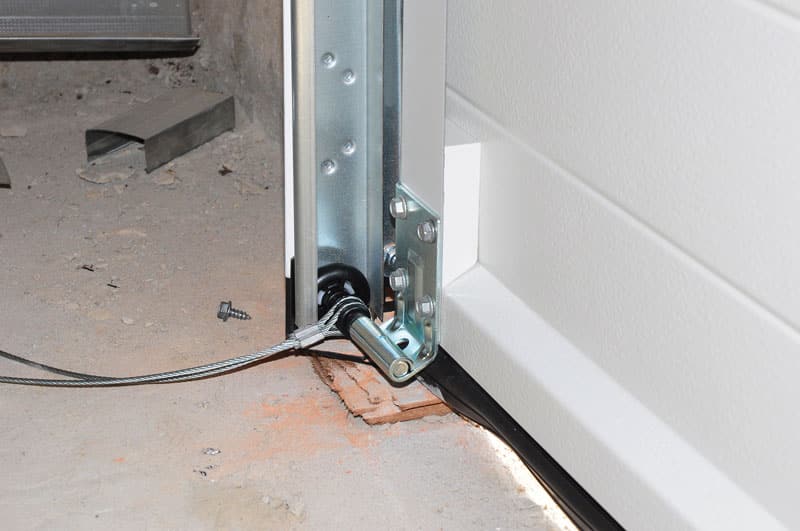
The garage door cable pulley mechanism is a critical component that makes lifting and lowering your garage door smooth and manageable. While the door itself may look simple from the outside, the system behind its movement is a combination of cables, pulleys, and springs working together to counterbalance the weight. Understanding how this mechanism operates can help homeowners recognize signs of wear, maintain their doors, and make informed decisions about repairs or upgrades.
When a garage door is in motion, the cables and pulleys distribute the load, reducing the effort required to open or close the door. This not only extends the lifespan of the door but also ensures safety and reliability for daily use. If you’re experiencing issues with your door’s movement, it’s often related to this essential lifting system. For more on troubleshooting, see our guide on garage door cable common problems.
Understanding the Role of Cable and Pulley Systems
The cable and pulley arrangement is designed to handle the significant weight of a garage door, which can range from 100 to over 400 pounds depending on its size and material. The system typically consists of steel cables attached to the bottom of the door, routed over pulleys, and connected to either extension or torsion springs. These springs store energy and provide the necessary force to lift the door with minimal manual effort.
When you operate the door, the pulleys rotate, guiding the cables and distributing tension evenly. This process prevents sudden drops or jerky movements, which could otherwise damage the door or cause injury. Regular inspection of these components is crucial for safe operation and can help prevent unexpected breakdowns.
How the Cable Pulley Mechanism Makes Lifting Easier
One of the main advantages of the garage door cable pulley mechanism is its ability to multiply force. By redirecting the cable path through pulleys, the mechanism reduces the amount of force needed to lift the door. This is especially important for heavier doors or when using manual operation. The pulleys act as levers, allowing the springs to do most of the work while the user applies only a fraction of the required force.
Additionally, the system ensures that the door moves evenly on both sides, preventing misalignment and reducing wear on tracks and rollers. This balanced movement is essential for both automatic and manual garage doors, contributing to smoother operation and longer service life.

Types of Garage Door Cable and Pulley Mechanisms
There are two main types of lifting systems that use cables and pulleys: extension spring systems and torsion spring systems. Each has its own configuration and set of advantages:
- Extension Spring Systems: These use springs mounted parallel to the horizontal tracks. Cables run through pulleys at the ends of the springs, stretching and contracting as the door moves. This setup is common in older or lighter garage doors.
- Torsion Spring Systems: Here, the springs are mounted above the door opening on a metal shaft. The cables wind around drums at the shaft ends, lifting the door as the springs unwind. Torsion systems are generally more durable and provide smoother, more controlled movement.
Both systems rely on the integrity of the cables and pulleys. Frayed cables, worn pulleys, or misaligned springs can lead to operational issues or even safety hazards. For a deeper dive into maximizing performance, see our article on garage door cable efficiency.
Common Issues and Maintenance Tips
Like any mechanical system, the cable and pulley assembly requires regular attention. Some common issues include:
- Frayed or Broken Cables: Over time, cables can wear out or snap, especially if exposed to moisture or heavy use.
- Worn Pulleys: Pulleys may develop grooves or cracks, leading to uneven movement or cable slippage.
- Improper Tension: If the springs or cables are not properly tensioned, the door may become unbalanced or difficult to operate.
To keep your garage door operating safely, inspect the cables and pulleys every few months. Look for visible signs of wear, listen for unusual noises during operation, and test the door’s balance by disconnecting the opener and lifting it manually. If the door feels heavy or uneven, it may be time to replace worn parts. For a step-by-step checklist, refer to our garage door cable replacement checklist.
When to Replace or Upgrade Your Cable Pulley System
If you notice your garage door is not opening smoothly, makes grinding noises, or appears uneven, these could be signs that the cable and pulley system needs attention. Replacement is recommended if:
- Cables show visible fraying or rust
- Pulleys are cracked, wobbly, or have seized bearings
- The door feels unusually heavy or won’t stay open
Upgrading to higher-quality cables and pulleys can improve performance and reduce maintenance needs. Kits are available that include all necessary parts for common repairs. For those comfortable with DIY, these can be a cost-effective solution, but always follow safety guidelines and consider professional help for complex repairs.
For more technical details and installation advice, consult our garage door cable professional guide.
Safety Considerations for Garage Door Cable and Pulley Systems
Working with garage door lifting systems involves significant tension and weight. Mishandling cables, pulleys, or springs can result in serious injury. Always disconnect the opener before performing any inspection or maintenance, and never attempt to adjust or replace torsion springs without proper tools and training.
If you’re unsure about the condition of your system or how to proceed with repairs, it’s best to consult a professional technician. Regular maintenance and timely replacement of worn components are the best ways to ensure safe and reliable operation.
For a comprehensive overview of how cables work within these systems, you can review this detailed explanation of garage door cables from a trusted resource.
FAQ
What are the signs of a failing garage door cable pulley system?
Common indicators include frayed or broken cables, pulleys that don’t spin freely, grinding noises during operation, and a door that moves unevenly or feels heavy. Addressing these issues promptly can prevent further damage and ensure safe operation.
Can I replace garage door cables and pulleys myself?
Some homeowners with mechanical experience can replace cables and pulleys on extension spring systems. However, torsion spring systems are under high tension and can be dangerous. If you’re unsure, it’s safest to hire a professional.
How often should I inspect my garage door cable and pulley mechanism?
It’s recommended to visually inspect cables and pulleys every three to six months. Look for signs of wear, rust, or misalignment. Regular maintenance helps catch problems early and extends the life of your garage door system.