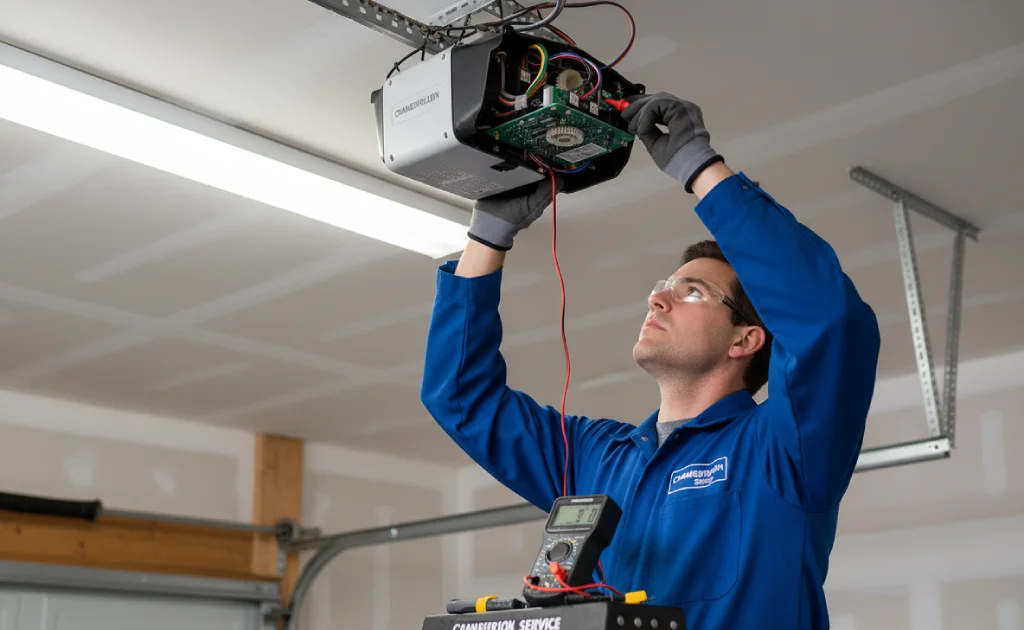
When it comes to keeping your home safe and your garage door operating smoothly, selecting the right cable is a critical decision. For garage door cable residential use, the quality and grade of the cable directly affect the reliability, safety, and lifespan of your door system. Homeowners often overlook this component, but understanding the differences in cable types and grades can save you from costly repairs and potential accidents.
This article explores the key factors to consider when choosing a cable for your home garage door, including material, grade, sizing, and safety features. Whether you’re replacing a worn-out cable or upgrading your system, making an informed choice ensures your garage door remains secure and functional for years to come. For those seeking more technical insights, the garage door cable professional guide offers detailed specs and tips.
Understanding the Role of Garage Door Cables in Homes
Garage door cables are essential for the safe and efficient operation of both sectional and one-piece doors. These cables work in tandem with springs to counterbalance the weight of the door, allowing it to open and close smoothly. In residential settings, cables are typically found in two main configurations:
- Torsion spring cables: Used with torsion spring systems, these cables wind around drums at the top of the door.
- Extension spring cables: Found in extension spring setups, these run along the sides of the door and connect to pulleys.
Choosing the correct cable for your specific door system is crucial. Using an improper grade or size can lead to premature wear, fraying, or even sudden failure, which can be dangerous. For preventative maintenance tips, see the garage door cable prevention tips guide.
Key Factors in Selecting the Right Cable Grade
Not all cables are created equal. For garage door cable residential use, several factors determine which grade is best suited for your needs:
- Material: Most residential cables are made from galvanized steel, which offers corrosion resistance and strength. Stainless steel is another option, providing enhanced durability in humid or coastal environments.
- Strand Count: Common residential cables are 7×7 (seven strands of seven wires) or 7×19 (seven strands of nineteen wires). A higher strand count increases flexibility and resistance to fatigue.
- Diameter: Standard residential garage door cables are typically 1/8″ or 3/32″ in diameter. The right size depends on your door’s weight and spring system.
- Load Rating: Always check the cable’s rated load capacity. It should exceed the total weight of your garage door for maximum safety.
- Coating: Some cables feature a vinyl or nylon coating for added protection against abrasion and corrosion.
Comparing Cable Grades for Home Garage Doors
When evaluating cable grades for residential garage doors, it’s important to match the cable to your door’s specifications and usage patterns. Here’s a comparison of the most common grades:
| Grade | Material | Typical Use | Strength | Best For |
|---|---|---|---|---|
| Standard Galvanized | Steel (Galvanized) | Most residential doors | Good | General home use |
| High-Strength Galvanized | Steel (Galvanized, higher tensile) | Heavier doors, frequent use | Very Good | Oversized or insulated doors |
| Stainless Steel | Stainless Steel | Coastal/humid environments | Excellent | Areas prone to rust |
| Coated Cables | Steel with vinyl/nylon coating | Added abrasion/corrosion resistance | Good | High-moisture or dusty garages |
For most homes, a galvanized steel cable with a 7×7 or 7×19 construction provides the right balance of strength and flexibility. If your garage is exposed to moisture or you live near the coast, consider upgrading to stainless steel or a coated cable for added longevity.
Installation and Safety Considerations
Proper installation is just as important as choosing the right cable. Incorrectly installed cables can slip, fray, or snap, posing a serious safety risk. Here are some key points to keep in mind:
- Always disconnect power to the opener before working on the door.
- Release spring tension carefully—springs are under high load and can cause injury.
- Inspect drums, pulleys, and anchor points for wear before installing new cables.
- Replace both cables at the same time to ensure balanced operation.
- Test the door’s operation after installation and check for smooth, even movement.
If you’re not comfortable with DIY repairs, consider hiring a professional. For a step-by-step checklist, review the garage door cable replacement checklist for guidance.

Maintenance Tips for Long-Lasting Garage Door Cables
Once you’ve selected and installed the right cable, regular maintenance is key to ensuring safe and reliable operation. Here are some practical tips for homeowners:
- Visually inspect cables every few months for signs of fraying, rust, or kinks.
- Lubricate moving parts such as pulleys and drums, but avoid getting lubricant on the cables themselves.
- Keep the area around the cables clean and free from debris.
- Address any unusual noises or jerky movements promptly—these may indicate cable or spring issues.
- Replace cables immediately if you notice significant wear or damage.
For more on optimizing your door’s performance, the garage door cable efficiency resource covers smooth lifting and operational tips.
When to Upgrade Your Garage Door Cable
There are several scenarios where upgrading your cable is recommended:
- Your current cable shows visible signs of wear, corrosion, or fraying.
- You’ve recently upgraded to a heavier or insulated door.
- You live in an area with high humidity or salt exposure.
- Your door is used frequently, increasing the wear rate on cables.
Upgrading to a higher grade or coated cable can extend the lifespan of your system and reduce the risk of sudden failures. For those considering a full system update, the garage door cable system upgrade guide provides insights into modernizing your setup.
Expert Advice and Further Reading
If you’re still unsure about which cable grade to choose, consult with a local garage door technician or refer to manufacturer recommendations. For a deeper dive into how cables work and what to look for, check out this comprehensive overview of garage door cables.
Frequently Asked Questions
What is the most common cable size for home garage doors?
Most residential garage doors use cables with a diameter of 1/8 inch or 3/32 inch. The correct size depends on the weight and type of your door. Always check your door’s specifications or consult a professional before purchasing replacement cables.
How often should garage door cables be replaced?
With regular use and proper maintenance, quality cables can last 7–10 years. However, if you notice fraying, rust, or any signs of wear, it’s best to replace them immediately to avoid safety risks.
Can I replace garage door cables myself?
While some homeowners are comfortable with DIY repairs, replacing cables involves working with high-tension springs and can be dangerous. If you’re inexperienced or unsure, it’s safer to hire a professional technician for the job.