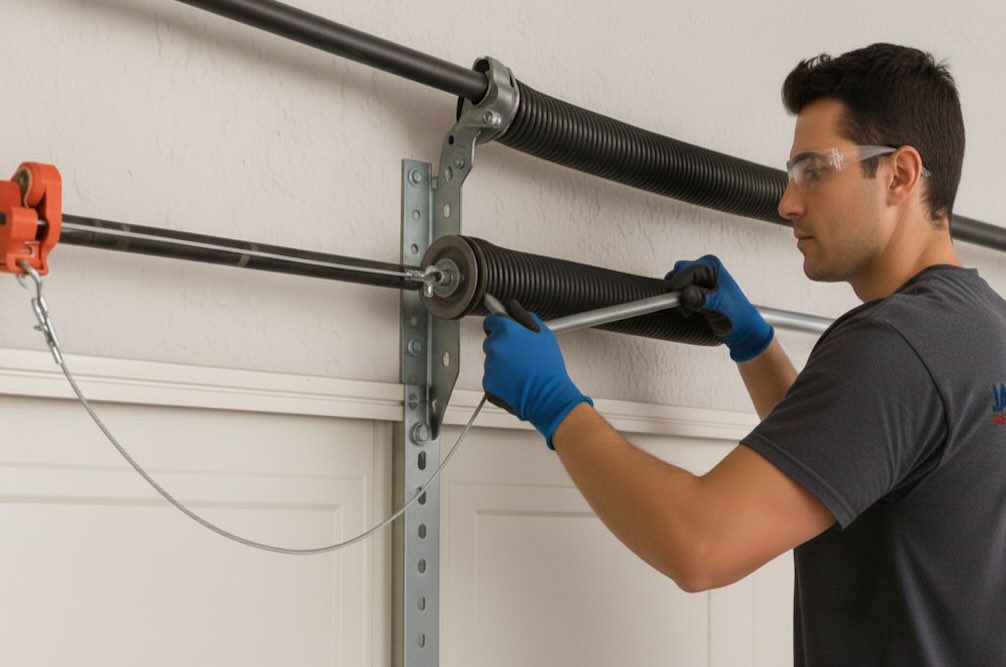
When a garage door cable starts to slip, it can quickly turn into a frustrating and potentially hazardous issue. Homeowners often notice their garage door becoming uneven, refusing to open or close smoothly, or even getting stuck altogether. Addressing cable problems early is crucial for safety and to prevent further damage to your garage door system.
This article explores the most common reasons for a garage door cable slipping, how to spot the warning signs, and practical steps you can take to resolve the issue. Whether you’re a DIY enthusiast or just want to understand what’s happening before calling a professional, you’ll find clear, actionable advice here.
For those seeking more in-depth technical details, the garage door cable professional guide offers comprehensive insights on cable types, specs, and installation tips.
Understanding Why Garage Door Cables Lose Tension
Garage doors rely on a system of springs, pulleys, and cables to move smoothly and safely. When the cable loses tension or comes off its drum or pulley, the entire system is compromised. Here are some of the most frequent causes:
- Worn or Frayed Cables: Over time, cables can become frayed or stretched, making them more likely to slip off the drum.
- Improper Cable Installation: If cables are not installed with the correct tension or alignment, they may unspool or slip during operation.
- Broken or Weak Springs: Springs provide the counterbalance for the door. If a spring breaks or loses strength, the cables can become slack.
- Pulley or Drum Damage: Damaged pulleys or drums can cause the cable to jump out of place.
- Obstructions or Jams: Debris in the track or a misaligned door can force cables out of position.
- Rust and Corrosion: Moisture can lead to rust, weakening the cable and making slippage more likely. For tips on preventing rust, see the garage door cable corrosion prevention guide.
Signs Your Garage Door Cable Is Slipping
Recognizing the early symptoms of a cable issue can help you act before a minor problem becomes a major repair. Look for these warning signs:
- The garage door appears crooked or uneven when opening or closing.
- You hear scraping, grinding, or snapping noises during operation.
- The door gets stuck, hesitates, or won’t move at all.
- Visible slack or fraying in the cables near the drum or pulley.
- The cables have come off the drum or are hanging loose.
Addressing these symptoms promptly can prevent further damage to your door and opener.
Quick Fixes for a Slipping Garage Door Cable
While some cable problems require professional attention, there are a few steps homeowners can try for minor issues. Always prioritize safety—if you’re unsure or the door is heavy, call a professional.

Resetting a Cable That Has Come Off the Drum
If the cable has slipped off but is not frayed or broken, you may be able to reset it:
- Disconnect the garage door opener to prevent accidental activation.
- Lift the door manually to relieve tension on the cables (have a helper if possible).
- Carefully place the cable back onto the drum, ensuring it is seated in the grooves.
- Lower the door slowly and reconnect the opener.
- Test the door’s operation. If it slips again, the underlying issue may be more serious.
Replacing Damaged or Frayed Cables
If you notice visible wear, it’s best to replace the cables entirely. Replacement kits are available and often include pulleys and hardware. Follow the manufacturer’s instructions closely, or consult a technician for installation. For a selection of cable types, see this guide to different garage door cable types.
Lubrication and Preventive Maintenance
Regular lubrication of the cable, pulleys, and springs can help prevent slippage and extend the life of your system. Use a silicone-based spray or garage door lubricant, and avoid heavy oils that attract dust. For seasonal care tips, the garage door cable seasonal maintenance guide provides helpful checklists.
When to Call a Garage Door Professional
Some cable issues are too risky for DIY repairs. If you encounter any of the following, contact a professional immediately:
- The cable is snapped or severely frayed.
- The door is extremely heavy or won’t stay open.
- Springs are broken or visibly damaged.
- You’re unsure about the repair process or lack the proper tools.
Garage door springs and cables are under high tension and can cause injury if mishandled. Professional technicians have the experience and equipment to restore safe operation.
Preventing Cable Problems in the Future
Routine maintenance is the best way to avoid cable slippage and keep your garage door running smoothly. Here’s what you can do:
- Inspect cables, pulleys, and springs every few months for signs of wear or rust.
- Keep tracks clean and clear of debris.
- Lubricate moving parts regularly.
- Address minor issues promptly before they escalate.
- Protect cables from moisture to prevent rust. For more on this, see the garage door cable moisture damage guide.
FAQ: Common Questions About Garage Door Cable Issues
How Dangerous Is a Slipping Garage Door Cable?
A slipping or broken cable can be very dangerous, as it may cause the door to fall suddenly or become stuck. If you notice a cable issue, avoid using the door until it’s repaired.
Can I Fix a Garage Door Cable Myself?
Minor issues, such as resetting a cable that has come off the drum, can sometimes be handled by a careful homeowner. However, if the cable is damaged or you’re unsure, it’s safer to call a professional.
How Often Should I Replace Garage Door Cables?
Most cables last several years with proper maintenance, but they should be inspected at least once a year. Replace them if you see fraying, rust, or if the door begins to operate unevenly.
What Causes Garage Door Cables to Slip Off?
Common causes include worn cables, improper tension, broken springs, drum or pulley damage, and obstructions in the track. Regular maintenance helps prevent these issues.
Where Can I Learn More About Garage Door Cable Care?
For further reading, check out the garage door cable winter issues guide for seasonal advice and troubleshooting tips.