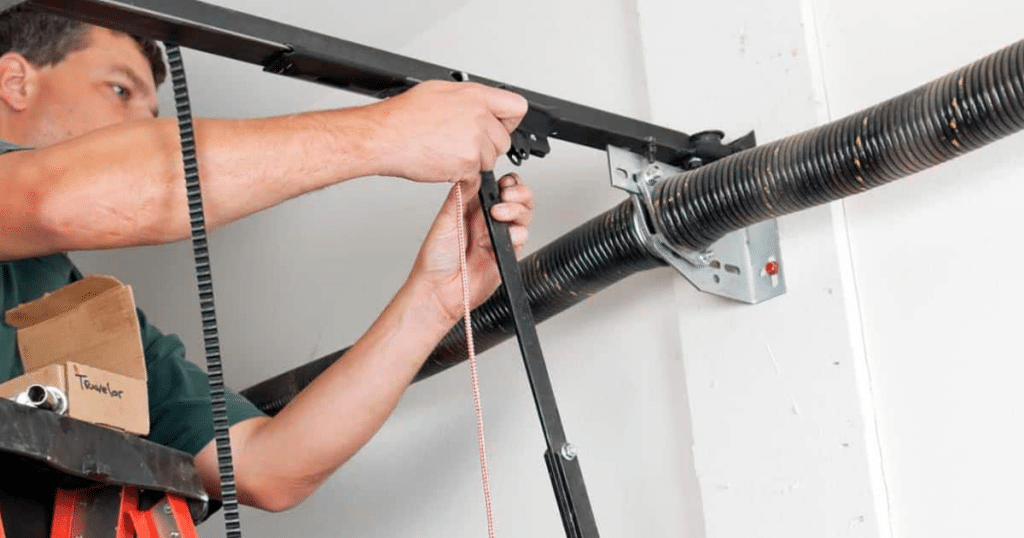
Understanding how the components of a garage door system work together is essential for homeowners and professionals alike. Among the most vital relationships in this system is the garage door cable spring interaction. This dynamic connection is responsible for the safe, smooth, and balanced movement of your garage door, ensuring it opens and closes with minimal effort and maximum reliability.
A typical garage door relies on a carefully engineered balance between cables and springs. When either part fails or is improperly maintained, the entire system can become hazardous or inoperable. In this guide, we’ll break down how cables and springs work together, why their interaction is so crucial, and what you can do to keep your garage door running safely for years to come.
For a deeper dive into cable types, installation, and troubleshooting, you may want to consult this garage door cable professional guide for technical tips and specifications.
How Cables and Springs Work Together in Garage Doors
The synergy between cables and springs is at the heart of every functional garage door. Springs—whether torsion or extension types—store mechanical energy. When you open the door, these springs unwind or stretch, releasing energy that helps lift the heavy door. The cables, attached to the bottom corners of the door, transfer this energy from the springs to the door itself, guiding the movement and bearing the load.
If the cables are frayed, stretched, or misaligned, the spring’s force can’t be distributed evenly. This can cause the door to become unbalanced, jam, or even fall unexpectedly. Conversely, if the springs are worn or broken, the cables alone cannot support the door’s weight, leading to dangerous situations or total system failure.
Types of Springs and Their Cable Connections
There are two main types of springs used in residential garage doors, each with its own style of cable connection:
- Torsion Springs: Mounted above the door, these springs use cables wound around drums at each end of the shaft. As the door opens, the torsion spring unwinds, and the cables lift the door smoothly.
- Extension Springs: Located along the horizontal tracks, these springs stretch as the door closes. Extension spring cables run through pulleys and attach to the bottom brackets, helping to lift and lower the door.
Both systems depend on precise cable length, proper tension, and secure attachment points to function safely.
Why Proper Cable and Spring Coordination Matters
The relationship between cables and springs is more than just mechanical—it’s a matter of safety. When these parts are correctly installed and maintained, your garage door will:
- Operate smoothly and quietly
- Remain balanced, reducing strain on the opener and tracks
- Prevent sudden drops or slamming, which can cause injury or property damage
- Extend the lifespan of all moving components
Neglecting the garage door cable spring interaction can lead to snapped cables, broken springs, or even a door that’s stuck halfway open. Regular inspection and timely replacement of worn parts are essential for safe operation.
Common Problems with Cable and Spring Systems
Several issues can disrupt the harmony between cables and springs:
- Frayed or Rusty Cables: Over time, cables can corrode or wear out, especially in humid or coastal environments. This weakens their ability to support the door’s weight.
- Broken or Stretched Springs: Springs lose tension after thousands of cycles, making the door heavy and hard to lift.
- Misaligned Drums or Pulleys: If the cable drums or pulleys are out of alignment, cables may slip off or become uneven, causing the door to tilt or jam.
- Improper Cable Length: Using cables that are too long or too short can prevent the door from closing fully or cause excessive slack.
For tips on preventing rust and corrosion, see this garage door cable corrosion prevention guide.
Maintenance Tips for a Reliable System
Regular care is the best way to ensure a safe and long-lasting garage door. Here are some practical steps:
- Inspect Cables and Springs Frequently: Look for signs of wear, rust, or fraying. If you spot any issues, replace the parts promptly.
- Lubricate Moving Parts: Use a silicone-based lubricant on the springs, pulleys, and hinges to reduce friction and prevent corrosion.
- Check Balance and Alignment: Disconnect the opener and manually lift the door halfway. If it stays in place, the springs and cables are balanced. If not, adjustments may be needed.
- Replace in Pairs: When replacing springs or cables, do both sides at once to maintain even tension.
- Call a Professional for Major Repairs: Garage door springs are under high tension and can be dangerous to handle without proper tools and training.
For seasonal advice, review this garage door cable seasonal maintenance resource to keep your system in top shape year-round.
Safety Considerations When Handling Cables and Springs
Working with garage door cables and springs involves significant risks due to the high tension involved. Always prioritize safety:
- Never attempt to adjust or replace torsion springs without proper training and tools.
- Wear gloves and eye protection when inspecting or handling cables.
- Disconnect the opener and secure the door before starting any maintenance.
- If you hear loud bangs or notice the door is suddenly heavy, stop using it and call a professional immediately.
For more on cable issues in cold weather, see this article on garage door cable winter issues.
When to Replace Cables and Springs
Knowing when to replace these components is key to preventing accidents and costly repairs. Consider replacement if you notice:
- Visible fraying, kinks, or rust on cables
- Springs that are stretched, broken, or have lost tension
- The door is unbalanced or makes unusual noises during operation
- Cables have slipped off the drum or pulley
Replacement parts are widely available, but always ensure you select the correct size and type for your specific door. For a step-by-step overview of moisture-related cable damage, visit this garage door cable moisture damage guide.
Expert Tips for Extending System Life
A few simple habits can help you get the most out of your garage door’s cable and spring system:
- Schedule annual professional inspections
- Keep the area around the tracks and cables clean and free of debris
- Address minor issues before they escalate into major failures
- Use only manufacturer-approved replacement parts
For additional do’s and don’ts, check out this comprehensive guide to garage door cable safety.
Frequently Asked Questions
How do I know if my garage door cables or springs need replacement?
Look for signs such as frayed or rusty cables, stretched or broken springs, and a door that is difficult to lift or lower. If the door feels unusually heavy or moves unevenly, it’s time to inspect and possibly replace these components.
Can I replace garage door cables or springs myself?
While minor maintenance like lubrication can be done by homeowners, replacing cables or springs is dangerous due to the high tension involved. It’s strongly recommended to hire a professional for these tasks to avoid serious injury.
What happens if the cable or spring breaks while the door is in motion?
A broken cable or spring can cause the door to fall suddenly, posing a risk of injury or property damage. Modern doors often have safety features to minimize this risk, but immediate repair is essential before using the door again.