Garage door cables play a crucial role in the safe and reliable operation of residential and commercial overhead doors. These cables are responsible for lifting and lowering the door, bearing significant tension and weight every time the door is used. Because of their importance, garage door cable standards have been established to ensure that cables meet strict requirements for strength, durability, and safety. Understanding these standards helps homeowners, installers, and manufacturers select the right products and maintain safe garage environments.
This article explores the essential manufacturing codes, quality benchmarks, and safety protocols that govern garage door cables. We’ll also discuss how these standards impact installation, maintenance, and long-term performance. For those interested in extending cable life, resources like garage door cable corrosion prevention offer additional guidance on care and protection.
Why Quality Codes Matter for Garage Door Cables
The standards that govern garage door cables are not arbitrary—they are designed to prevent accidents, property damage, and premature wear. Cables that fail to meet industry codes can snap or fray, putting people and vehicles at risk. Manufacturing quality codes set minimum thresholds for materials, construction, and testing, ensuring that only reliable cables are installed in homes and businesses.
Manufacturers must comply with these codes to ensure their products are accepted by building inspectors and insurance providers. For consumers, choosing cables that meet or exceed these standards means greater peace of mind and fewer unexpected repairs.
Key Elements of Garage Door Cable Standards
Several organizations and regulatory bodies influence the requirements for garage door cables. The most prominent include the American Society for Testing and Materials (ASTM), Underwriters Laboratories (UL), and the Door & Access Systems Manufacturers Association (DASMA). Here are the core aspects of these standards:
- Material Quality: Most codes require cables to be made from galvanized or stainless steel, offering corrosion resistance and high tensile strength. The wire diameter, number of strands, and construction method (such as 7×7 or 7×19 strand configuration) are specified to ensure uniformity and reliability.
- Load Ratings: Standards define the minimum breaking strength for cables based on door weight and type. For example, a cable for a double-wide garage door must be rated for higher loads than one for a single-car door.
- Testing Protocols: Cables must undergo rigorous testing for tensile strength, elongation, and fatigue resistance. This ensures that the cable will not stretch excessively or snap under normal use.
- Coating and Corrosion Protection: Galvanized coatings are often required to prevent rust, especially in humid or coastal environments. Stainless steel cables are used where maximum corrosion resistance is needed.
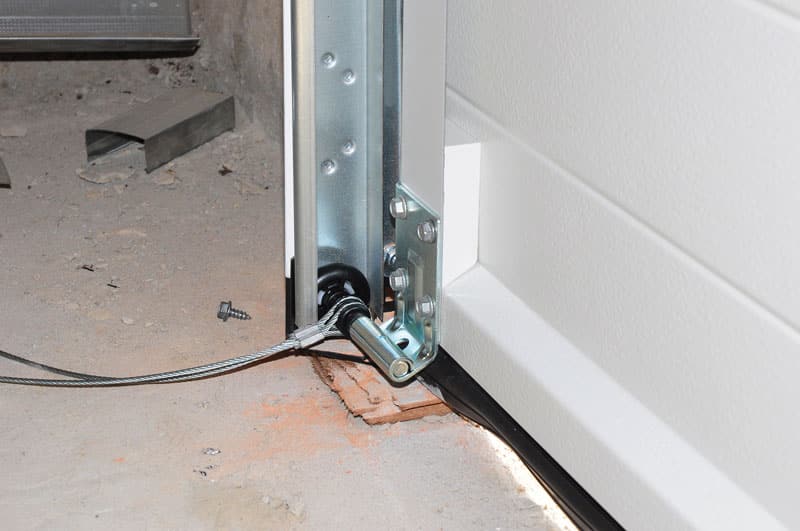
- End Fittings: The standards also specify the type and quality of end fittings (such as loops, stops, or thimbles) to ensure secure attachment to drums and brackets.
For more on how cables work within the garage door system, see this detailed explanation of garage door cable mechanics.
How Manufacturing Codes Are Enforced
Compliance with garage door cable standards is enforced through a combination of self-certification, third-party testing, and building inspections. Manufacturers must document their materials and processes, often submitting samples for independent laboratory analysis. Products that pass are labeled as compliant, making it easier for contractors and homeowners to identify quality cables.
Building inspectors may check for code-compliant cables during new installations or repairs. Insurance companies may also require proof of compliance in the event of a claim related to garage door failure.
Common Types of Garage Door Cables and Their Requirements
There are two primary types of cables used in garage door systems: lift cables and safety cables. Each type has its own set of requirements under industry standards.
- Lift Cables: These are attached to the bottom bracket of the door and wind around the drum as the door opens. Lift cables must be rated for the full weight of the door and are subject to the most stringent manufacturing codes.
- Safety Cables: Used primarily with extension spring systems, safety cables run through the center of the spring. They are designed to contain the spring if it breaks, preventing injury or damage. Standards require that safety cables be strong enough to withstand the force of a broken spring.
Both types must be manufactured to precise specifications, with clear labeling and documentation to verify compliance.
Signs of Non-Compliant or Failing Cables
Even when installed according to code, cables can wear out over time. Recognizing the signs of non-compliance or impending failure is essential for safety:
- Visible Fraying or Rust: Exposed wires, broken strands, or rust indicate that the cable may no longer meet safety standards.
- Uneven Door Movement: If the door jerks or becomes misaligned, a cable may be stretched or weakened.
- Loose End Fittings: End loops or stops that are loose or deformed can compromise the cable’s integrity.
Regular inspection and timely replacement are crucial. For seasonal care tips, see garage door cable seasonal maintenance.

Installation and Maintenance Best Practices
To ensure ongoing compliance with garage door cable standards, proper installation and regular maintenance are essential. Here are some best practices:
- Professional Installation: Always use a qualified technician familiar with current codes and safety protocols.
- Routine Inspections: Check cables for signs of wear, corrosion, or improper tension at least twice a year.
- Timely Replacement: Replace cables at the first sign of damage or if they no longer meet manufacturer specifications.
- Use Approved Parts: Only install cables and hardware that are certified to meet industry standards.
For more tips on maximizing cable lifespan, visit garage door cable best practices.
Frequently Asked Questions
What materials are approved for garage door cables?
Most standards require cables to be made from galvanized steel or stainless steel. These materials offer the necessary strength and corrosion resistance for safe, long-term use.
How often should garage door cables be inspected?
It’s recommended to inspect cables at least twice a year, or more frequently in harsh environments. Look for fraying, rust, or any signs of wear that could compromise safety.
Can I install garage door cables myself?
While some homeowners attempt DIY cable replacement, it’s best to hire a professional. Proper installation requires knowledge of industry standards and specialized tools to ensure safety and compliance.
Conclusion
Adhering to garage door cable standards is essential for the safety and reliability of any overhead door system. By understanding the manufacturing codes, choosing compliant products, and following best practices for installation and maintenance, you can help prevent accidents and extend the life of your garage door. For more information on addressing specific issues such as garage door cable moisture damage or troubleshooting garage door cable problems, consult additional resources or speak with a qualified technician.