Properly balanced garage doors are essential for smooth operation and safety. Over time, cables can loosen or tighten due to regular use, temperature changes, or wear. If your door is jerky, uneven, or won’t close all the way, it may be time for a garage door cable tension adjustment. This guide will walk you through the process, highlight safety tips, and help you decide when to call a professional.
Before starting, it’s important to understand that working with garage door cables and springs can be dangerous. If you’re unsure or uncomfortable, consult a technician or refer to a garage door cable professional guide for more detailed technical advice. For most homeowners, minor adjustments are manageable with care and the right tools.
Understanding Cable Tension in Garage Doors
The cables in your garage door system work with springs to lift and lower the door evenly. If the tension is off, the door may appear crooked, move unevenly, or even jam. This can put extra strain on other components and lead to premature wear or safety hazards.
There are two main types of garage door systems:
- Torsion spring systems – Cables wind around drums above the door.
- Extension spring systems – Cables run along the sides and attach to pulleys.
Both systems require the cables to have the correct tension for optimal performance. If you notice frayed cables, rust, or visible damage, consider reviewing a garage door cable corrosion prevention guide before making adjustments.
Signs Your Garage Door Needs Cable Tension Correction
Recognizing when your garage door needs attention can prevent bigger issues. Common indicators include:
- The door looks uneven or sags on one side.
- It makes loud noises or jerks during movement.
- The door doesn’t open or close fully.
- Cables appear loose, slack, or have come off the drum/pulley.
- The door feels heavier than usual when lifting manually.
Addressing these symptoms promptly helps avoid more costly repairs and keeps your garage safe for daily use.
Tools and Safety Precautions
Before attempting any garage door cable tension adjustment, gather these tools:
- Adjustable wrench or socket set
- Locking pliers (vise grips)
- Flathead screwdriver
- Stepladder
- Safety glasses and gloves
Important: Always disconnect the garage door opener and ensure the door is fully closed before starting. Never attempt to adjust cables or springs while the door is open or under tension. If you’re unsure about your door’s spring type or feel uncomfortable, seek professional help.
For seasonal tips and to keep your cables in top shape, check out this garage door cable seasonal maintenance resource.
Step-by-Step Guide to Adjusting Cable Tension
Follow these steps to safely adjust cable tension on most residential garage doors:
-
Disconnect Power and Secure the Door
Unplug the garage door opener. Use locking pliers to clamp the track just below the bottom roller to prevent the door from moving. -
Inspect the Cables and Hardware
Check for frayed, rusted, or damaged cables. If you spot corrosion, refer to a garage door cable moisture damage guide before proceeding. -
Release Tension (If Needed)
For torsion spring systems, use a winding bar to carefully release spring tension. For extension springs, open the door fully to relieve tension and secure it with a clamp. -
Adjust the Cable
On torsion systems, loosen the set screws on the cable drum and rotate the drum to take up slack or release tension. On extension systems, adjust the S-hook or cable clip to change the cable length. -
Retighten and Test
Secure all hardware and remove clamps. Reconnect the opener and test the door’s movement. The door should move smoothly and stay in place when partially open.
If you need to replace cables or pulleys, consider using a detailed installation guide for springs and cables to ensure correct installation.
Tips for Maintaining Proper Cable Tension
Regular maintenance can extend the life of your garage door system and prevent the need for frequent adjustments. Here are some practical tips:
- Visually inspect cables and pulleys monthly for wear or corrosion.
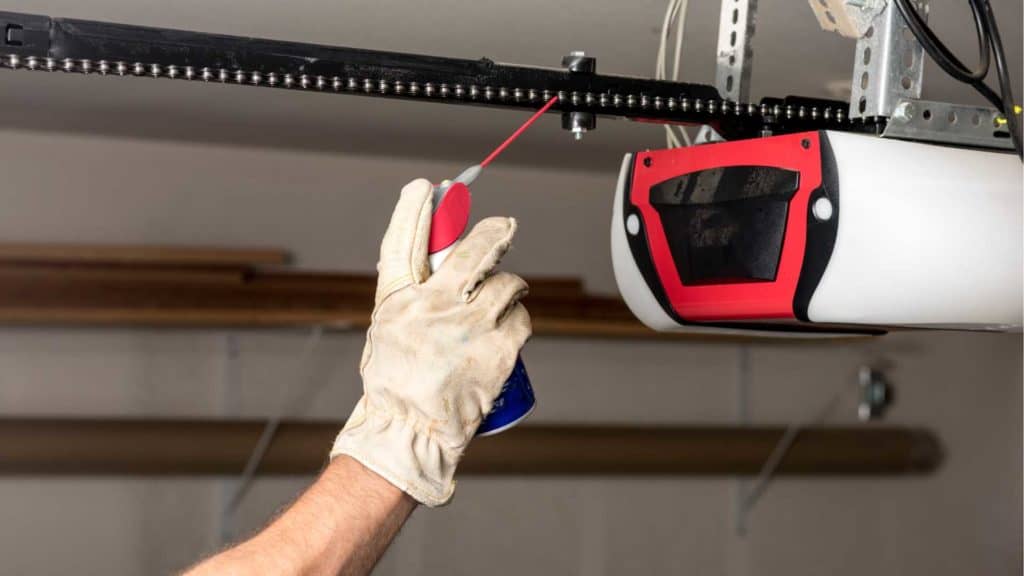
- Lubricate moving parts with a silicone-based spray every few months.
- Test the door’s balance by lifting it halfway; it should stay in place.
- Address any unusual noises or jerky movement promptly.
- Keep the tracks clean and free of debris.
For winter-specific issues, review a guide to preventing cold snaps that can affect cable performance.
When to Call a Professional
While minor cable tension adjustments are manageable for many homeowners, certain situations require professional expertise:
- Broken or severely frayed cables
- Springs that are damaged or out of balance
- Repeated cable slippage or chronic tension issues
- Unusual noises that persist after adjustment
Attempting complex repairs without proper training can be dangerous. If in doubt, always contact a qualified garage door technician.
Frequently Asked Questions
How often should I check my garage door cable tension?
It’s a good idea to inspect your cables and test door balance every three to six months. Regular checks help catch issues early and keep your system running smoothly.
Can I adjust garage door cables myself?
Minor adjustments are possible for many homeowners with basic tools and safety precautions. However, if you’re dealing with broken cables, damaged springs, or are unsure about the process, it’s best to hire a professional.
What happens if garage door cable tension is too loose or too tight?
If the cables are too loose, the door may sag, move unevenly, or come off its track. If too tight, it can strain the opener, cause jerky movement, or damage other components. Proper tension ensures smooth, safe operation.
Are there any signs of cable damage I should watch for?
Yes. Look for fraying, rust, kinks, or visible wear on the cables. Any of these signs mean it’s time for maintenance or replacement to prevent failure.
Conclusion
Keeping your garage door cables properly adjusted is key to safe and reliable performance. By following the steps outlined above and staying on top of maintenance, you can avoid many common problems. For more advanced tips and technical details, refer to a garage door cable professional guide or consult a local expert. Regular care and prompt attention to issues will help your garage door system last for years to come.