A garage door cable tension system is a critical component in the safe and reliable operation of residential and commercial garage doors. These systems are responsible for balancing the immense weight of the door, allowing it to open and close smoothly. When properly maintained, they ensure both convenience and safety for homeowners. However, the high tension involved means that even minor issues can quickly become hazardous if not addressed with care and expertise.
Understanding how these tension mechanisms work, the risks involved, and the best practices for maintenance can help prevent accidents and extend the lifespan of your garage door. For those interested in a deeper dive into the technical aspects, the garage door cable professional guide offers comprehensive insights and tech tips.

How Cable Tension Systems Work in Garage Doors
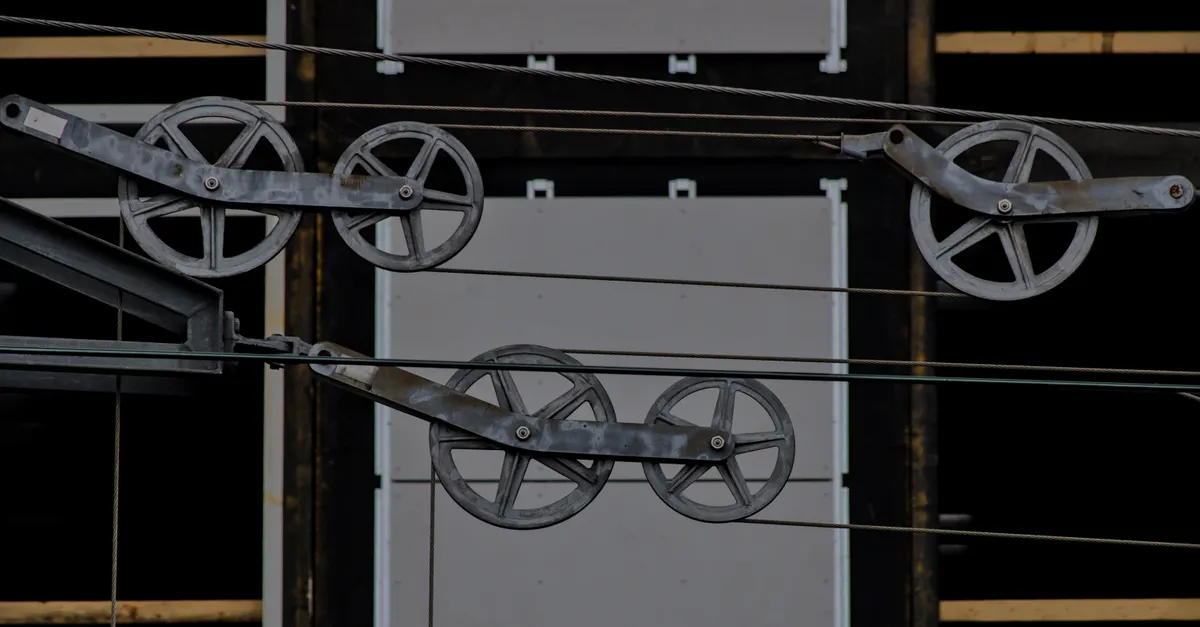
At the heart of every sectional garage door is a network of cables, springs, and pulleys designed to offset the door’s weight. The garage door cable tension system uses steel cables wound around drums at each end of a torsion bar or attached to extension springs. As the door opens or closes, these cables wind and unwind, maintaining the correct amount of tension to keep the door balanced and prevent it from slamming shut or shooting upward uncontrollably.
There are two main types of tension systems:
- Torsion spring systems: These use a spring mounted above the door, with cables attached to the bottom corners. As the spring twists, it stores energy that assists in lifting the door.
- Extension spring systems: These have springs running parallel to the horizontal tracks, stretching and contracting as the door moves. Cables run through pulleys to help manage tension.
Both systems rely on precise cable tension. If a cable snaps or loses tension, the door can become unbalanced, posing a serious safety risk.
Why Proper Tension Is Essential for Safety
The high-pressure nature of these systems means that even a small error can have severe consequences. A cable under tension can whip dangerously if it breaks, and an unbalanced door may fall unexpectedly. Regular inspection and adjustment are crucial to ensure the system operates safely.
Signs of improper tension include:
- The door feels heavy or is difficult to lift manually.
- The door closes too quickly or slams shut.
- Visible slack or fraying in the cables.
- The door appears crooked or uneven when opening or closing.
If you notice any of these issues, it’s important to stop using the door and consult a professional. Attempting repairs without the right tools and knowledge can be dangerous.

Common Problems and Warning Signs
Cables and springs are subject to wear and tear from daily use, weather exposure, and lack of maintenance. Some common issues include:
- Frayed or rusted cables: Corrosion and moisture can weaken cables, making them more likely to snap. Learn more about garage door cable corrosion prevention to minimize this risk.
- Loose or slipping cables: If a cable slips off its drum or pulley, the door may become jammed or uneven.
- Broken springs: When a spring fails, the cable system is put under extra strain, which can lead to further damage.
- Improper installation: Incorrectly installed cables or springs can cause immediate safety hazards and premature wear.
Regularly checking for these problems and addressing them promptly is essential for maintaining a safe garage environment.
Maintenance Tips for Garage Door Cable Tension Systems
Routine maintenance can extend the life of your garage door and prevent costly repairs. Here are some practical steps:
- Visual inspection: Look for signs of wear, rust, or fraying on cables and pulleys. If you spot any damage, do not attempt to fix it yourself—call a professional.
- Lubrication: Apply a garage door lubricant to moving parts, but avoid getting oil on the cables themselves, as this can attract dirt and cause premature wear.
- Test balance: Disconnect the opener and manually lift the door halfway. If it stays in place, the tension is likely correct. If it moves up or down, the system may need adjustment.
- Seasonal checks: Weather changes can affect tension. For guidance on seasonal care, see the garage door cable seasonal maintenance resource.
Never attempt to adjust or replace cables and springs without proper training. The high tension involved can cause serious injury.
Choosing the Right Replacement Parts
When it’s time to replace cables or pulleys, using high-quality, compatible parts is vital. Not all cables are created equal—some are designed for torsion systems, while others are for extension spring setups. For a breakdown of the different types of cables, refer to this guide to garage door cable types.
Always check the manufacturer’s specifications and consult a professional if you’re unsure which parts are right for your door. Using the wrong components can compromise safety and void warranties.
Preventing Rust and Moisture Damage
Moisture is a leading cause of cable failure. Rust weakens the steel, increasing the risk of snapping under tension. To protect your system:
- Keep the garage well-ventilated to reduce humidity.
- Inspect cables for rust and apply a light coat of rust inhibitor if needed.
- Address any water leaks or standing water near the door tracks.
For detailed steps on handling moisture and rust, visit the garage door cable moisture damage article.
Understanding the Physics Behind Cable Tension
The principles behind these systems are rooted in basic physics. The tension in the cables counteracts the force of gravity on the door, distributing the load evenly and allowing for smooth operation. For a technical explanation of how this works, check out the garage door cable working principle resource.
This understanding highlights why precise installation and regular maintenance are so important. Even small deviations in tension can cause significant operational issues or safety hazards.
When to Call a Professional
While routine inspections and basic maintenance can be performed by homeowners, any work involving cable or spring replacement should be left to trained technicians. Professionals have the tools and experience to safely handle high-tension components and ensure your door operates reliably.
Attempting DIY repairs on these systems can result in serious injury or further damage to the door. If you’re unsure about the condition of your cables or springs, it’s always best to consult an expert.
Frequently Asked Questions
How often should I inspect my garage door cable tension system?
It’s recommended to visually inspect your cables and springs at least twice a year, and after any unusual noise or operation. Professional inspections should be scheduled annually for optimal safety.
What are the risks of a broken cable?
A broken cable can cause the door to become unbalanced, potentially leading to the door falling suddenly or becoming stuck. The sudden release of tension can also cause cables to whip dangerously, posing a risk of injury.
Can I replace garage door cables myself?
Due to the high tension and risk involved, cable replacement should only be performed by professionals. DIY attempts can lead to serious accidents and further damage.
What should I do if my garage door is uneven or won’t open?
Stop using the door immediately and inspect for visible cable or spring issues. Do not attempt to force the door open or closed. Contact a qualified technician for assessment and repair.
How can I prevent rust on my garage door cables?
Keep your garage dry and well-ventilated, and regularly inspect cables for signs of corrosion. Applying a rust inhibitor can help, but avoid excessive lubrication that may attract dirt.
A well-maintained garage door cable tension system is essential for both convenience and safety. By understanding the mechanics, recognizing warning signs, and knowing when to call a professional, you can ensure your garage door operates smoothly for years to come.