Garage door cables play a crucial role in the safe and smooth operation of your garage door. When these cables malfunction, it can lead to inconvenient breakdowns or even safety hazards. This garage door cable troubleshooting guide is designed to help homeowners quickly identify and address common cable issues, ensuring your garage door remains reliable and secure.
Understanding the signs of cable trouble, knowing how to perform a fast diagnostic, and learning when to call a professional can save you time, money, and frustration. If you’re new to garage door maintenance, you might also find the garage door cable beginner guide helpful for foundational knowledge before diving into troubleshooting.
Recognizing Signs of Cable Problems
Spotting early warning signs can prevent more severe damage to your garage door system. Here are some indicators that your cables may need attention:
- Uneven Door Movement: If your garage door lifts unevenly or appears crooked, a cable may be frayed, stretched, or off its drum.
- Visible Cable Wear: Fraying, rust, or kinks in the cables are clear signs of deterioration.
- Door Won’t Open or Close: A snapped or loose cable can prevent the door from operating at all.
- Loud Noises: Grinding or snapping sounds during operation may indicate cable tension issues.
For a deeper look at typical malfunctions, the garage door cable common problems resource provides quick fixes and solutions for frequent issues.
Quick Diagnostics: Step-by-Step Cable Inspection
Before attempting any repairs, always disconnect the garage door opener and ensure the door is in the closed position. This minimizes the risk of injury from sudden movements or tension releases.
- Visual Inspection: Examine both sides of the door for cable fraying, rust, or separation from the drum or pulley.
- Check Cable Tension: Cables should be taut but not overly tight. Sagging or slack cables indicate a problem with tension or attachment.
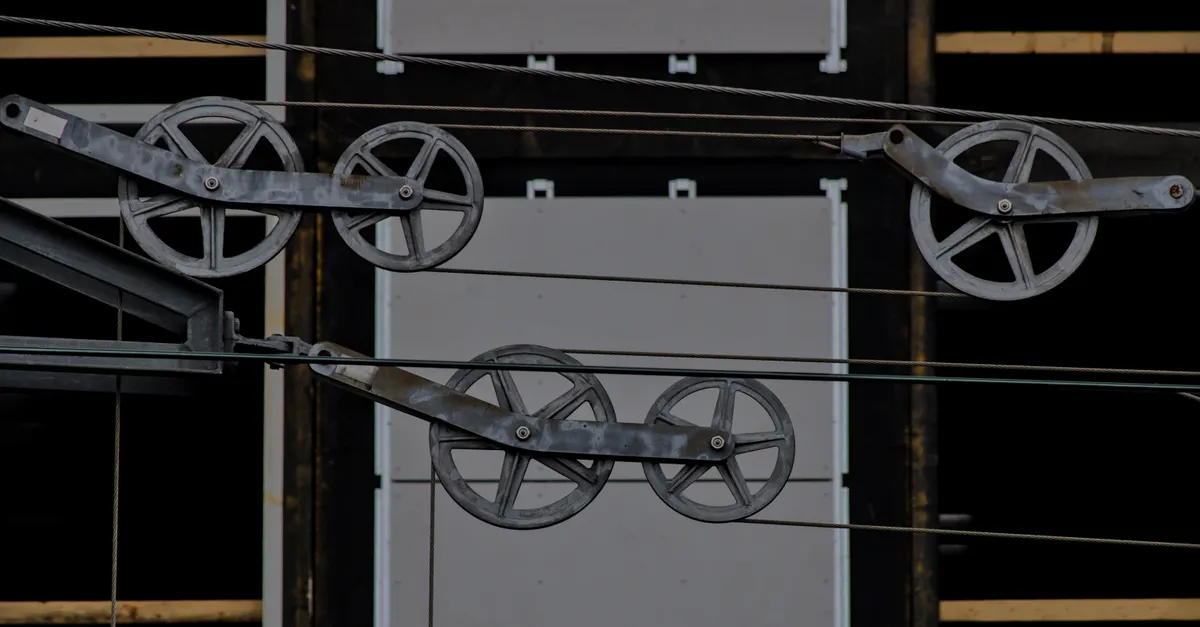
- Inspect Drums and Pulleys: Look for misalignment, cracks, or debris that could cause cables to slip or bind.
- Test Door Balance: With the opener disconnected, manually lift the door halfway. If it stays in place, the cables and springs are likely balanced. If it falls or shoots up, further adjustment is needed.
- Listen for Unusual Sounds: Grinding, squeaking, or snapping noises may point to cable or pulley issues.
If you’re unsure about any findings, consult a professional or refer to a detailed overview of garage door cable systems for additional context.
Common Issues and How to Address Them
Once you’ve identified a cable problem, the next step is determining whether it’s a simple fix or requires expert help. Here are some typical issues and recommended actions:
| Issue | Symptoms | Recommended Action |
|---|---|---|
| Frayed or Broken Cable | Visible wire strands, door won’t open/close | Replace cable immediately; avoid using the door |
| Cable Off Drum | Door is crooked, cable loose or hanging | Re-seat cable on drum; check for drum or pulley damage |
| Loose Cable | Slack in cable, uneven movement | Adjust tension; inspect springs and pulleys |
| Rust or Corrosion | Discoloration, rough operation | Clean and lubricate; replace if severely corroded |
For more advanced troubleshooting, the garage door cable professional guide offers technical tips and specifications for experienced users.
Essential Tools for Fast Diagnostics
Having the right tools on hand can make diagnosing and resolving cable issues much faster. Consider keeping these items in your toolkit:
- Work gloves for protection
- Flashlight for visibility in low-light areas
- Flathead screwdriver and adjustable wrench
- Replacement cables and pulleys
- Garage door lubricant
Remember, working with garage door cables and springs can be dangerous due to the high tension involved. If you’re not confident, it’s best to contact a professional technician.

Preventing Future Cable Issues
Regular maintenance is key to avoiding unexpected garage door cable failures. Here are some tips to keep your system in top shape:
- Inspect cables monthly for wear, rust, or slackness
- Lubricate moving parts every few months
- Keep the tracks and drums clean and free of debris
- Address minor issues promptly to prevent escalation
For more proactive strategies, check out these garage door cable prevention tips to stop costly breakdowns before they start.
When to Call a Professional
While many minor cable issues can be identified and even fixed by a handy homeowner, some situations require expert intervention:
- Broken or severely frayed cables
- Issues involving torsion springs (high tension and risk)
- Repeated cable derailment or chronic slackness
- Unusual noises that persist after basic troubleshooting
Attempting complex repairs without proper knowledge can be dangerous. Professional technicians have the tools and expertise to safely resolve these problems and ensure your door operates smoothly.
Boosting Efficiency and Lifespan
Proper cable care not only prevents breakdowns but also enhances the overall efficiency of your garage door system. Well-maintained cables reduce strain on the opener and springs, resulting in smoother, quieter operation and a longer lifespan for all components. For more on optimizing performance, see this guide on garage door cable efficiency for effortless lifting and reduced wear.
Frequently Asked Questions
- How do I know if my garage door cable needs to be replaced?
- If you notice visible fraying, rust, or if the cable has snapped or come off the drum, it’s time for a replacement. Unusual noises or uneven door movement are also warning signs.
- Can I fix a garage door cable myself?
- Some minor issues, like re-seating a cable on the drum, can be handled by homeowners with basic tools. However, repairs involving high tension or broken cables should be left to professionals for safety reasons.
- How often should I inspect my garage door cables?
- It’s recommended to inspect your cables at least once a month. Regular checks help catch early signs of wear and prevent sudden failures.
By following the steps in this garage door cable troubleshooting guide, you can quickly diagnose common problems and make informed decisions about repairs and maintenance. Keeping your cables in good condition ensures your garage door remains safe, efficient, and reliable for years to come.