The garage door cable drum system is a fundamental part of modern overhead doors, ensuring smooth, balanced, and safe lifting and lowering. While often overlooked, these components work in tandem with cables and springs to support the heavy weight of the door, preventing sudden drops and keeping operation reliable. Understanding how these drums function, why they matter, and how to spot issues can help homeowners maintain a safer and longer-lasting garage door.
In this guide, we’ll break down the mechanics behind cable drums, explain their role in the overall lifting system, and provide practical tips for safe winding and maintenance. For those seeking a deeper technical dive, the garage door cable professional guide offers advanced insights and troubleshooting tips.
Understanding the Cable Drum and Its Role
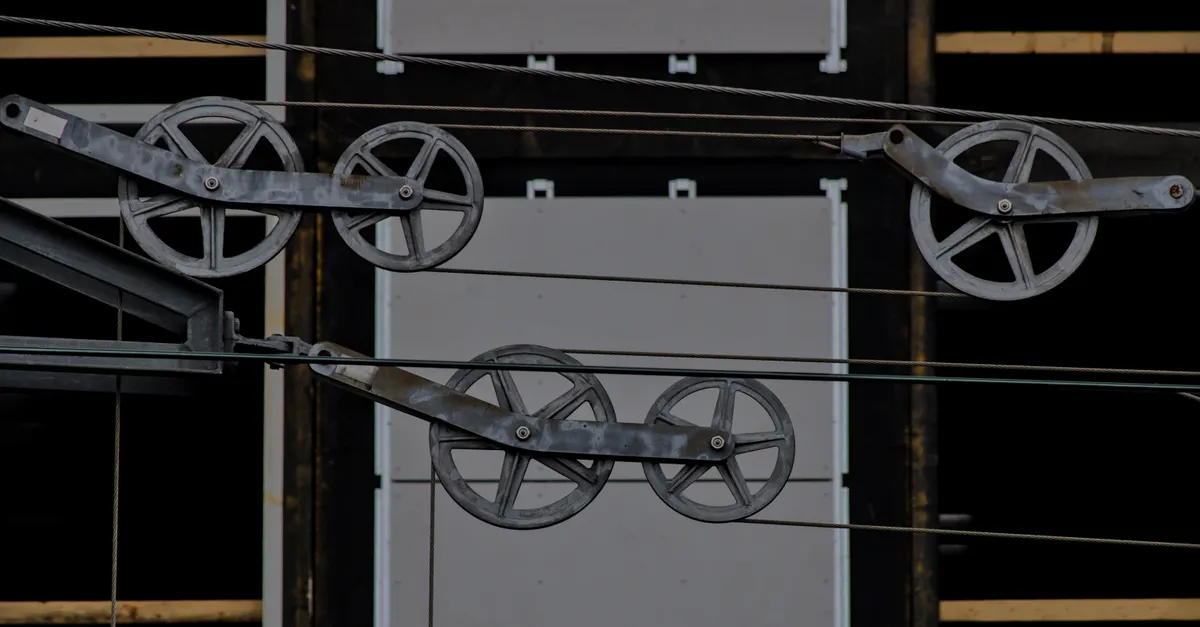
A cable drum is a grooved, circular component mounted at each end of the torsion spring shaft above the garage door. Its main function is to guide and wind the lifting cables as the door opens and closes. The grooves on the drum keep the cable aligned and prevent tangling or slippage, which is essential for balanced movement and safety.
When the door is closed, the cables are tightly wound around the drums. As the door opens, the cables unwind, allowing the door to rise smoothly. The tension from the torsion springs is transferred through the shaft to the drums, which in turn lift the door via the cables. This coordinated action is what makes even heavy doors feel light and manageable.
How the Garage Door Cable Drum System Works
The garage door cable drum system operates through a precise balance of mechanical forces. Here’s a step-by-step look at how it functions:
- Torsion springs are wound to store energy and mounted on a shaft above the door.
- Cable drums are attached to each end of the shaft, with lifting cables anchored at the bottom of the door.
- As the door opens, the springs unwind, turning the shaft and rotating the drums.
- The grooves on the drums guide the cables, unwinding them in a controlled manner and lifting the door evenly on both sides.
- When closing, the process reverses: the cables wind back onto the drums, and the springs are re-tensioned.
This system ensures that the door remains balanced and prevents rapid, uncontrolled movement that could cause injury or damage.
Types of Cable Drums and Their Applications
Not all cable drums are the same. The type used depends on the size, weight, and design of the garage door:
- Standard lift drums – Used on most residential doors, designed for doors that move vertically and then curve horizontally.
- Vertical lift drums – For doors that rise straight up without curving, common in commercial settings.
- High-lift drums – Used when a door needs to rise higher before curving, often for garages with tall ceilings or car lifts.
Choosing the right drum is critical for safe operation. Incorrect sizing can lead to cable misalignment, uneven lifting, or premature wear.

Safe Winding and Maintenance Practices
Proper winding of the cable drum system is essential for safety and longevity. Here are some best practices:
- Always disconnect power to automatic openers before working on the door.
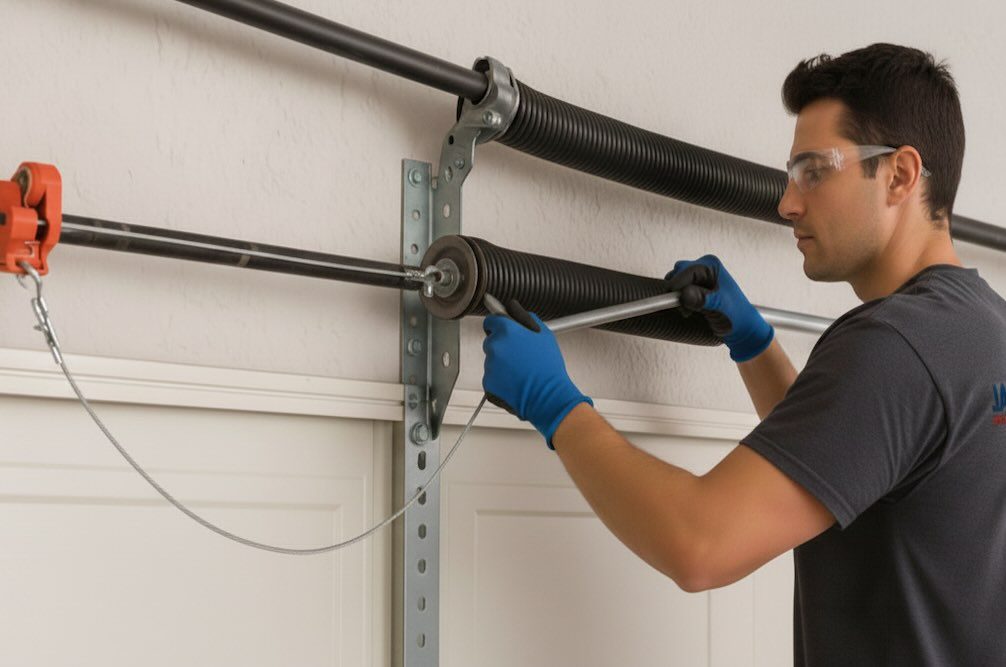
- Release spring tension carefully—torsion springs are under extreme force and can be dangerous if mishandled.
- Check cable alignment in the drum grooves. Misalignment can cause fraying or snapping.
- Inspect for wear on drums, cables, and fasteners. Replace any parts showing signs of corrosion or damage.
- Lubricate moving parts as recommended by the manufacturer, but avoid getting lubricant on the cable grooves.
If you notice rust or moisture issues, the garage door cable moisture damage guide provides steps to address and prevent further problems.
Common Problems and Warning Signs
Even with regular care, issues can arise in the cable drum system. Watch for these warning signs:
- Frayed or snapped cables – Indicates misalignment, excessive wear, or corrosion.
- Uneven door movement – May signal a drum or cable problem, or uneven spring tension.
- Loud noises during operation – Could be due to worn drums, loose fasteners, or cables slipping out of grooves.
- Visible rust or corrosion – Weakens cables and drums, increasing the risk of failure.
If you encounter any of these issues, stop using the door and consult a professional. For seasonal care tips, see the garage door cable seasonal maintenance resource.
Choosing and Replacing Cable Drums
When replacing or upgrading your cable drum system, consider these factors:
- Door weight and height – Heavier or taller doors require drums rated for higher loads.
- Drum diameter and groove count – Must match the door’s lift type and cable thickness.
- Material quality – Opt for corrosion-resistant metals, especially in humid climates.
- Compatibility – Ensure new drums fit your shaft and work with existing cables and springs.
If you’re unsure about sizing or installation, consult a technician or refer to the garage door cable working principle article for more technical details.
Preventing Cable and Drum Failures
Routine inspection and maintenance are the best ways to avoid sudden failures. Here are some tips:
- Inspect cables and drums every few months for signs of wear or misalignment.
- Keep the area clean to prevent debris from interfering with the cable grooves.
- Address corrosion early – For comprehensive strategies, the garage door cable corrosion prevention guide is a valuable resource.
- Replace worn parts promptly to prevent further damage to the system.
For more on cable types and their specific uses, see this overview of garage door cable varieties.
FAQ: Garage Door Cable Drum Systems
How do I know if my cable drum needs replacement?
Look for grooves that are worn smooth, visible cracks, or rust. If your door moves unevenly or you notice fraying cables, it may be time to replace the drum.
Can I wind or replace garage door cables myself?
While minor maintenance is possible for experienced DIYers, winding or replacing cables and drums involves high tension and can be dangerous. It’s best to consult a professional unless you have the proper tools and training.
What happens if the cable slips off the drum?
If a cable slips out of the drum groove, the door may become jammed, hang unevenly, or drop suddenly. Stop using the door and have it inspected immediately to prevent injury or further damage.
How often should I inspect my garage door cable drum system?
A visual inspection every three to six months is recommended. Check for signs of wear, rust, or misalignment, and lubricate moving parts as needed.