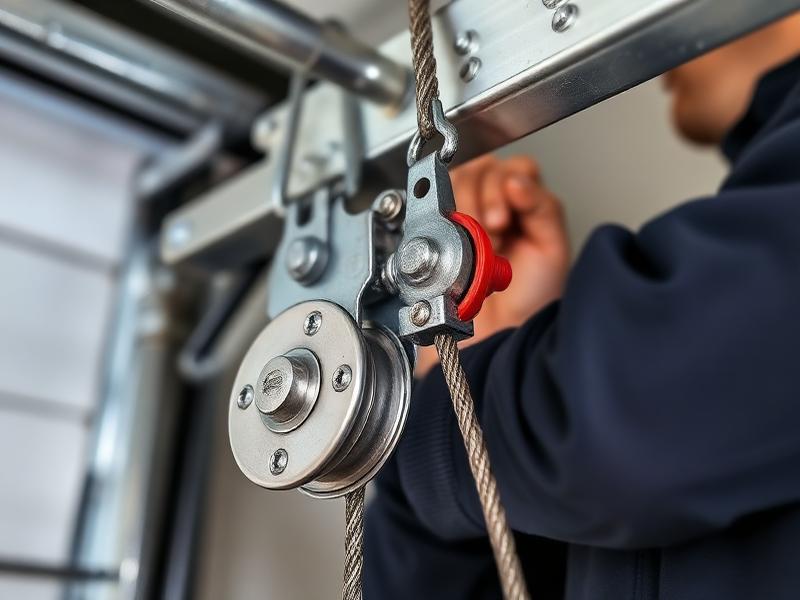
Keeping your garage door cables in top shape is crucial for the safety and reliability of your garage door system. Well-maintained cables help prevent sudden failures, reduce repair costs, and extend the lifespan of your entire door mechanism. This guide covers the most important aspects of garage door cable maintenance, including inspection, cleaning, lubrication, and when to seek professional help.
Neglecting cable care can lead to fraying, rust, or even dangerous breakages. By following a regular maintenance routine, you can avoid unexpected breakdowns and keep your garage door operating smoothly. For those interested in more technical details, the garage door cable professional guide provides in-depth information on cable types and specifications.
Why Regular Cable Care Matters
Garage door cables are responsible for lifting and lowering the door safely. Over time, these cables are exposed to tension, moisture, dust, and temperature changes, all of which can cause wear and tear. Without proper attention, cables may snap or slip off their drums, resulting in costly repairs or potential injuries.
Routine garage door cable maintenance ensures:
- Safe operation of your garage door
- Longer lifespan for cables and related hardware
- Reduced risk of sudden failures
- Lower long-term maintenance costs
For homeowners in areas with high humidity or frequent weather changes, additional steps such as garage door cable corrosion prevention can be especially important to prevent rust and damage.
How to Inspect Garage Door Cables
Regular inspection is the foundation of effective cable care. Ideally, you should check your cables every three to six months. Here’s how to perform a basic visual inspection:
- Disconnect the opener: Use the manual release to disengage the automatic opener for safety.
- Look for fraying or rust: Examine the entire length of the cable for broken strands, kinks, or corrosion.
- Check for slack: Cables should be taut. If you notice sagging or slack, adjustment may be needed.
- Inspect attachment points: Make sure the cables are securely fastened to the bottom bracket and drum.
If you spot significant wear, it’s best to consult a professional or refer to a step-by-step cable repair guide for safe replacement procedures.
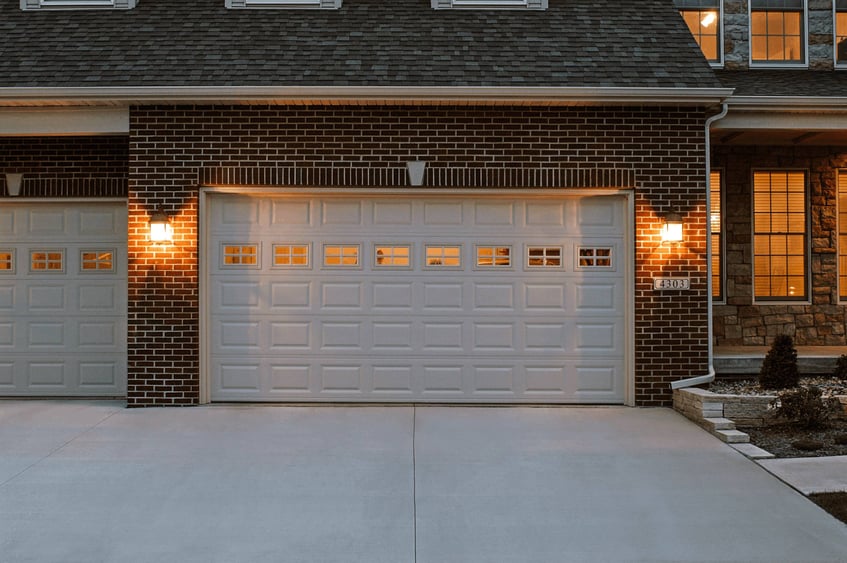
Cleaning and Lubricating Your Cables
Keeping cables clean and properly lubricated is a key part of garage door cable maintenance. Dust, dirt, and moisture can accelerate wear and lead to rust. Here’s how to clean and lubricate your cables safely:
- Wipe down the cables: Use a dry or slightly damp cloth to remove dust and debris. Avoid soaking the cables, as excess moisture can cause rust.
- Apply lubricant: Use a silicone-based spray or a garage door-specific lubricant. Avoid grease or oil-based products, which can attract more dirt.
- Lubricate sparingly: Apply a light coat and wipe away any excess to prevent buildup.
Proper lubrication not only reduces friction but also helps protect against corrosion. For more on preventing water-related issues, see the garage door cable moisture damage resource.
Common Signs of Cable Problems
Recognizing early warning signs can help you address issues before they become serious. Watch for these common symptoms:
- Frayed or broken strands: Indicates the cable is nearing the end of its service life.
- Visible rust or corrosion: Weakens the cable and increases the risk of snapping.
- Unusual noises: Squeaking or grinding may signal a need for lubrication or adjustment.
- Door imbalance: If your door feels heavy or uneven, cables may be stretched or damaged.
If you notice any of these issues, stop using the door and arrange for repairs. Attempting to fix high-tension cables without proper tools or training can be dangerous.
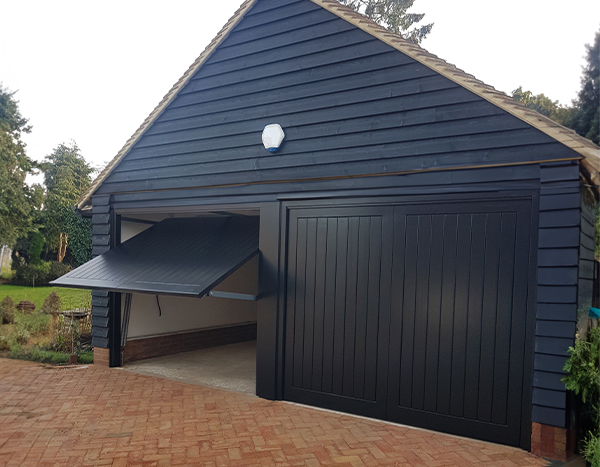
When to Replace or Call a Professional
While basic cleaning and inspection can be done by most homeowners, cable replacement or major repairs should be left to trained technicians. Cables are under high tension and mishandling them can result in injury. Consider professional help if:
- You notice severe fraying, broken strands, or rust
- The cable has slipped off the drum or pulley
- The door is stuck or operates unevenly
- You are unsure about any aspect of the repair process
For those interested in understanding the underlying mechanics, the garage door cable working principle article explains how cables and springs work together to lift your door safely.
Seasonal Maintenance Tips
Different seasons bring unique challenges for garage door cables. In winter, cold temperatures can make cables brittle, while summer heat and humidity can accelerate rust. Here are some seasonal care suggestions:
- Winter: Check for ice buildup and lubricate moving parts to prevent freezing.
- Spring: Inspect for rust or corrosion after wet weather.
- Summer: Wipe away excess moisture and dust to prevent sticking.
- Fall: Clear leaves and debris from tracks and cables.
For a detailed breakdown of seasonal care, visit the garage door cable seasonal maintenance resource.
Frequently Asked Questions
How often should I inspect my garage door cables?
It’s recommended to visually inspect your cables every three to six months. If you use your garage door frequently or live in a harsh climate, check more often to catch early signs of wear or corrosion.
Can I replace garage door cables myself?
Replacing cables involves handling high-tension components and can be dangerous without proper tools and experience. For safety, most homeowners should hire a professional for cable replacement or major repairs.
What type of lubricant should I use on garage door cables?
Use a silicone-based spray or a lubricant specifically designed for garage doors. Avoid using grease or oil-based products, as these can attract dirt and cause buildup on the cables.
Conclusion
Consistent garage door cable maintenance is essential for safe and reliable operation. By inspecting, cleaning, and lubricating your cables regularly, you can prevent most common issues and extend the life of your garage door system. Don’t ignore early warning signs—address problems promptly and consult a professional when needed. With a proactive approach, your garage door will continue to function smoothly for years to come.