A malfunctioning garage door can be both frustrating and potentially dangerous, especially when the issue involves a garage door cable stuck door. When the cables that help lift and lower your garage door become jammed or snap out of place, the door may refuse to open or close, trapping your vehicle or belongings inside. Understanding how to safely address this problem is crucial for homeowners who want to avoid injury and prevent further damage to their garage door system.
This guide will walk you through the common causes of cable-related door jams, practical steps to safely open your door, and essential tips for preventing future issues. If you’re looking for more technical details or want to deepen your understanding of cable systems, you might find the garage door cable professional guide helpful as well.
Understanding Why Garage Door Cables Get Stuck
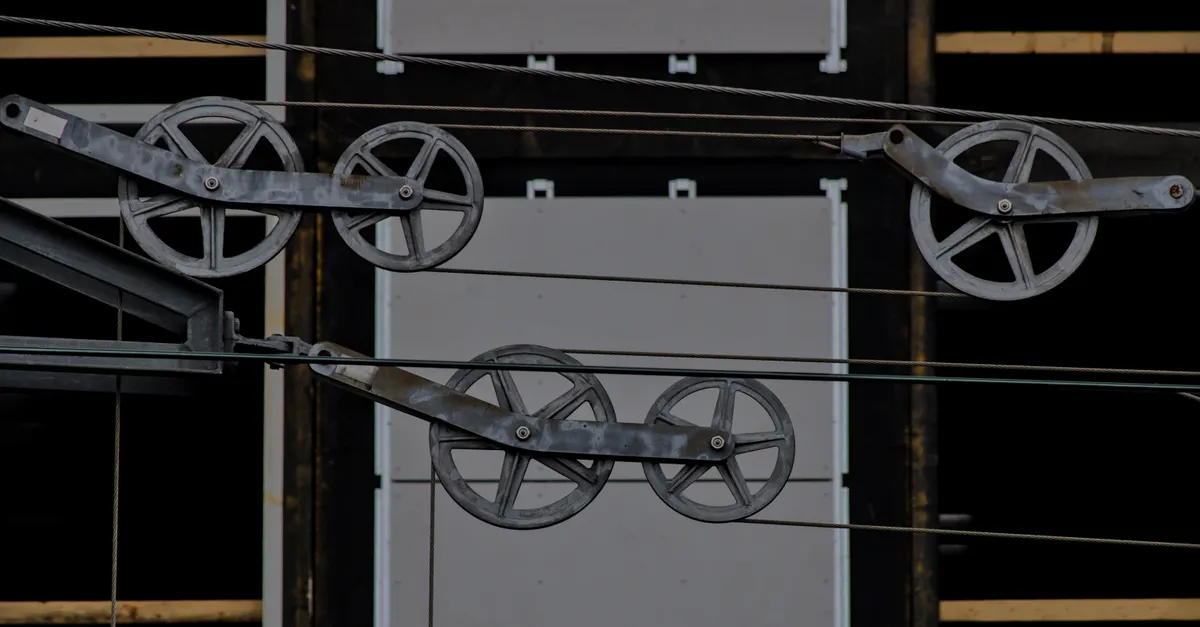
Garage doors rely on a system of springs, pulleys, and cables to operate smoothly. When any part of this system fails—especially the cables—the door may become immobile or dangerously unbalanced. Some common reasons for a cable becoming jammed include:
- Frayed or worn cables that catch on pulleys or drums
- Broken springs causing uneven tension and cable misalignment
- Obstructions in the track or around the cable drum
- Rust or corrosion weakening the cable and leading to slippage
- Improper installation or lack of maintenance
If you live in an area with high humidity or frequent temperature changes, you may also face issues like moisture damage or seasonal wear. For more on protecting cables from environmental factors, see the garage door cable corrosion prevention guide.
Initial Safety Steps Before Attempting to Open the Door
Before you try to open a garage door with a cable jam, prioritize safety. Garage doors are heavy and under significant tension, especially if the cables or springs are compromised. Here are some essential precautions:
- Disconnect the automatic opener to prevent accidental activation.
- Do not force the door open or closed—this can cause further damage or injury.
- Wear gloves and eye protection to guard against sharp cable ends or debris.
- Keep children and pets away from the area until the issue is resolved.
If you notice visible damage to the springs or cables, or if the door is crooked and difficult to move, it’s best to call a professional. Attempting repairs without proper knowledge can be hazardous.
Safe Methods to Open a Door When Cables Are Jammed
When facing a garage door cable stuck door situation, there are a few safe approaches you can try, depending on the severity of the jam and your comfort level with basic repairs. Always proceed with caution and stop if you encounter resistance or signs of further damage.
1. Use the Emergency Release Cord
Most modern garage doors are equipped with an emergency release cord—usually a red handle hanging from the opener rail. Pulling this cord will disconnect the door from the opener, allowing you to attempt manual operation. If the door is balanced and the cables are only slightly misaligned, you may be able to gently lift it. If it’s stuck or feels unusually heavy, do not force it.
2. Inspect and Clear Obstructions
Sometimes, debris or a misaligned cable can block the door’s movement. With the opener disconnected, visually inspect the tracks, cable drums, and pulleys. Remove any visible obstructions and check if the cables are tangled or off the drum. If the cable has simply slipped off but is not frayed or broken, you may be able to guide it back onto the drum by hand—only if there is no spring tension present.
3. Manually Realign the Door (If Safe)
If the door is crooked due to uneven cable tension, you can try to gently lift the lower side to realign it. However, if the cables are under tension or the springs are damaged, do not attempt this step. For more advanced troubleshooting, refer to the garage door cable seasonal maintenance guide for seasonal adjustment tips.
4. Seek Professional Help for Severe Cable or Spring Issues
If the cables are frayed, snapped, or the springs appear broken, do not attempt to open the door yourself. These components are under high tension and can cause serious injury if handled improperly. Contact a qualified garage door technician for safe repairs.
For those interested in learning about proper installation and repair, the step-by-step guide to installing garage door springs and cables provides a detailed overview, but remember: safety always comes first.
Preventing Future Cable Jams and Door Sticking
Regular maintenance is the best way to avoid future problems with your garage door cables. Here are some practical tips:
- Inspect cables and pulleys for signs of wear, rust, or fraying every few months.
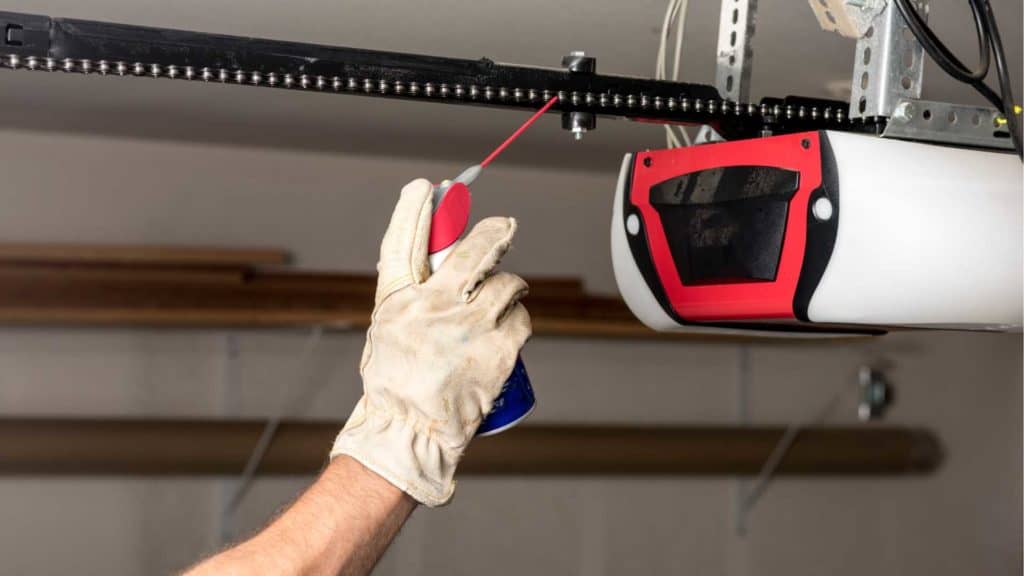
- Lubricate moving parts with a silicone-based spray to reduce friction and prevent corrosion.
- Keep the tracks clear of debris and check for proper alignment.
- Schedule annual inspections with a professional technician, especially if your door is older or used frequently.
For those living in colder climates, winter can be particularly harsh on garage door components. Explore more about cold weather challenges in the garage door cable winter issues guide.
If you notice recurring issues with moisture or rust, consider reviewing the garage door cable moisture damage resource for targeted solutions.
When to Replace Cables and Where to Find Parts
If your cables are damaged or excessively worn, replacement is the safest option. Using the correct type of cable for your door’s spring system—whether torsion or extension—is essential for reliable operation. Replacement kits are available online and at hardware stores. Always choose high-quality, galvanized cables for durability.
If you’re comfortable with DIY repairs and have the necessary tools, follow manufacturer instructions closely. Otherwise, hiring a professional is recommended to ensure the job is done safely and correctly.
Frequently Asked Questions
What causes garage door cables to get stuck?
Cables can become jammed due to fraying, rust, misalignment, broken springs, or debris in the tracks. Regular inspection and maintenance help prevent these issues.
Is it safe to open a garage door with a jammed cable?
It depends on the severity of the jam. If the cables are only slightly misaligned and there’s no visible damage, you may be able to use the emergency release to open the door manually. However, if the cables are frayed, snapped, or under tension, it’s safest to call a professional.
How often should I inspect my garage door cables?
A visual inspection every three to six months is recommended. Look for signs of wear, rust, or fraying, and address any issues promptly to avoid sudden failures.
Can I replace garage door cables myself?
Some homeowners with mechanical experience and the right tools can replace cables themselves, especially on extension spring systems. However, torsion spring systems are under high tension and should only be serviced by trained professionals.
Dealing with a garage door cable stuck door can be stressful, but by following the safe methods outlined above and keeping up with regular maintenance, you can minimize downtime and keep your garage door operating smoothly. When in doubt, always consult a professional to ensure your safety and the longevity of your garage door system.